
A Kazakhstani Founder Launched a Startup That Helps Students Win Scholarships to Universities in the US, Europe, and Asia



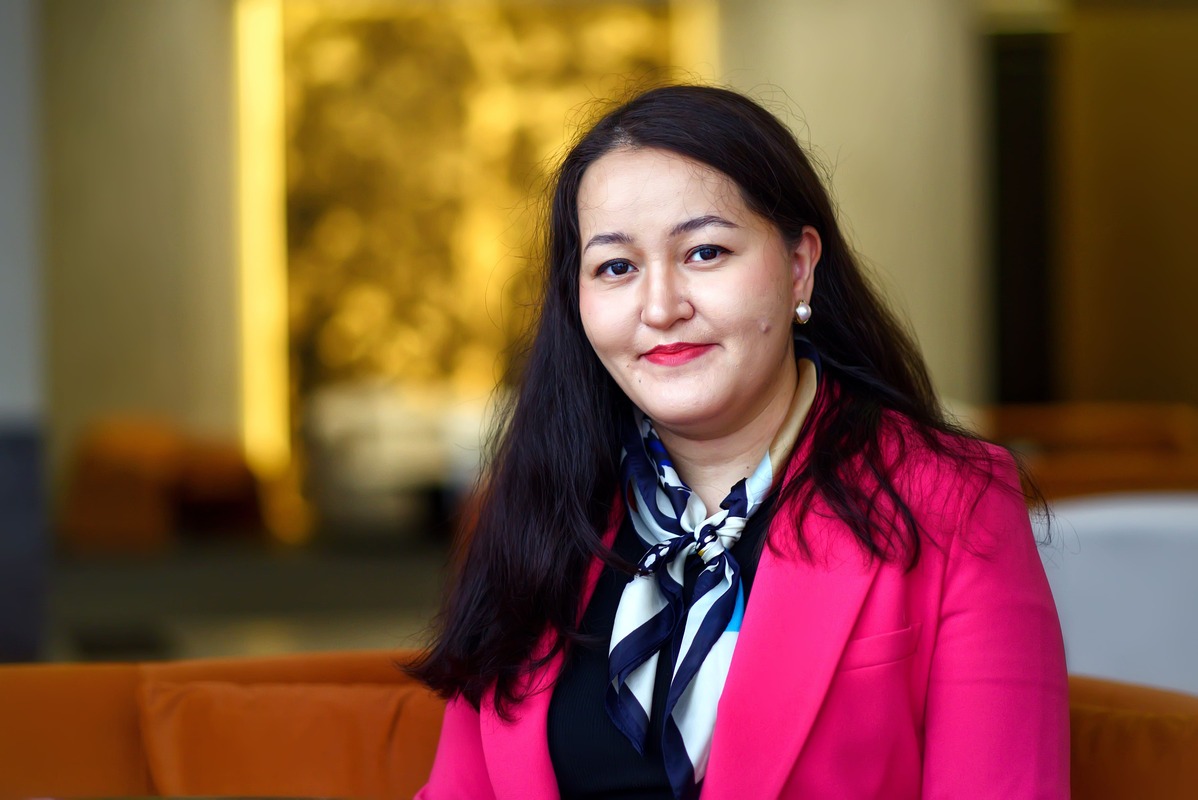
Amine Khadyr was born in Bayan-Ölgii, a region in western Mongolia that's home to around 100,000 ethnic Kazakhs who have preserved their language and traditions. At 16, she enrolled in a university in Bosnia and Herzegovina, studying management and IT. That led to an MBA in Turkey and France, followed by work in both a bank and a startup. Later, she entered the Graduate School of Business at Nazarbayev University, which brought her to Kazakhstan. Soon after, she became a mother, and during maternity leave, she launched an online language school. Over time, it evolved into a startup called YerAI Mentor, a digital mentor that supports students, especially those from underserved regions, throughout the entire process of applying to universities abroad.
As part of the joint project «100 Startup Stories of Central Asia» by Digital Business and Astana Hub, Amine shared why she chose to come to Kazakhstan after studying in Europe, how she launched her first business, and what led her to build an IT startup. We also talked about how YerAI Mentor actually helps students and which universities they can get into with its support.
«By 19, I had already graduated from university and gotten into an MBA program»
— Amine, tell us about your life in Mongolia. And how did you manage to get into university at just 16?
— My mom, one of the first English teachers in the city of Ölgii, raised me on her own. We lived very modestly, but I grew up in a home full of intellectual curiosity. She passed on her love for books and foreign languages, and that shaped me from a young age.
At 12, I passed the entrance exam to a Mongolian-Turkish high school. I took part in and won several academic olympiads in math, Russian, Turkish, and English, even at the international level. Those competitions became my window to the world.
Since I started school two years early, I was already applying to universities at 16. I chose International Burch University in Sarajevo, the capital of Bosnia and Herzegovina. A delegation from the university had visited Mongolia and offered three full scholarships to students from the Mongolian-Turkish high school. I was one of the students selected because I was among the top in my school. Plus, my English was strong enough that I didn’t need a foundation year. I was able to go straight into the undergraduate program.
By the age of 19, I had earned my bachelor’s degree, graduating Magna Cum Laude, which means "with great honor" in Latin. After that, I received a Türkiye Bursları government scholarship from Turkey and was accepted into the MBA program at Marmara University, where I focused on organizational behavior. Through the Erasmus program, I also studied at INSEEC Business School in Paris, specializing in international management. I completed my master’s with honors.
— What did you do after finishing your studies?
— While I was doing my MBA in Istanbul, I got an internship offer from the local office of the European Bank for Reconstruction and Development (EBRD). I worked in the ETC Hub (Early Transition Countries), specifically in the agribusiness department. After finishing my master’s, I joined a startup called Copyrobo (now known as Proofstack, an online blockchain-based notarization service — note by Digital Business) as part of the marketing team. Later, a friend told me about Nazarbayev University (NU), and I decided to send in my CV. That was back in 2017.

Soon after, I was invited for an interview. Around the same time, I also received a strong job offer in Ulaanbaatar, but I decided to move to Astana and started working as an intern at Nazarbayev University. Later, I was accepted as a Teaching & Research Assistant at NU’s Graduate School of Business. I was lucky to work with professors from the US and various countries across Asia.
— When did you decide to leave the corporate world and start your own business?
— In 2019, I became a mom. While on maternity leave, I realized I needed to earn an income but also stay close to my baby. That’s when I thought, “Why not teach online?”
So I used my own savings to launch an online school offering English and Turkish language courses, along with prep for IELTS, SAT, and international university admissions. In the beginning, I did everything myself, from sales to teaching and mentoring. Eventually, I was able to build a team of instructors.
We mostly worked with students from villages and small towns. Just a few months after launching, we were already getting at least 50 students per month. But I always wanted to help a lot more people. I believed mentorship should be accessible to everyone. The problem was, there wasn’t a single platform that brought together everything educational centers offer. So I decided to build one, and that’s how YerAI Mentor was born.
«The AI system acts like a real examiner. It evaluates answers and points out mistakes»
— How did you go about transforming an online school that had been running successfully for six years?
— I launched YerAI Mentor in the summer of 2025, while taking part in the Astana Hub AIpreneurs program, where I became a finalist in the second batch. That’s when I decided to build a full-fledged digital mentor that guides students through the entire university application process from start to finish.
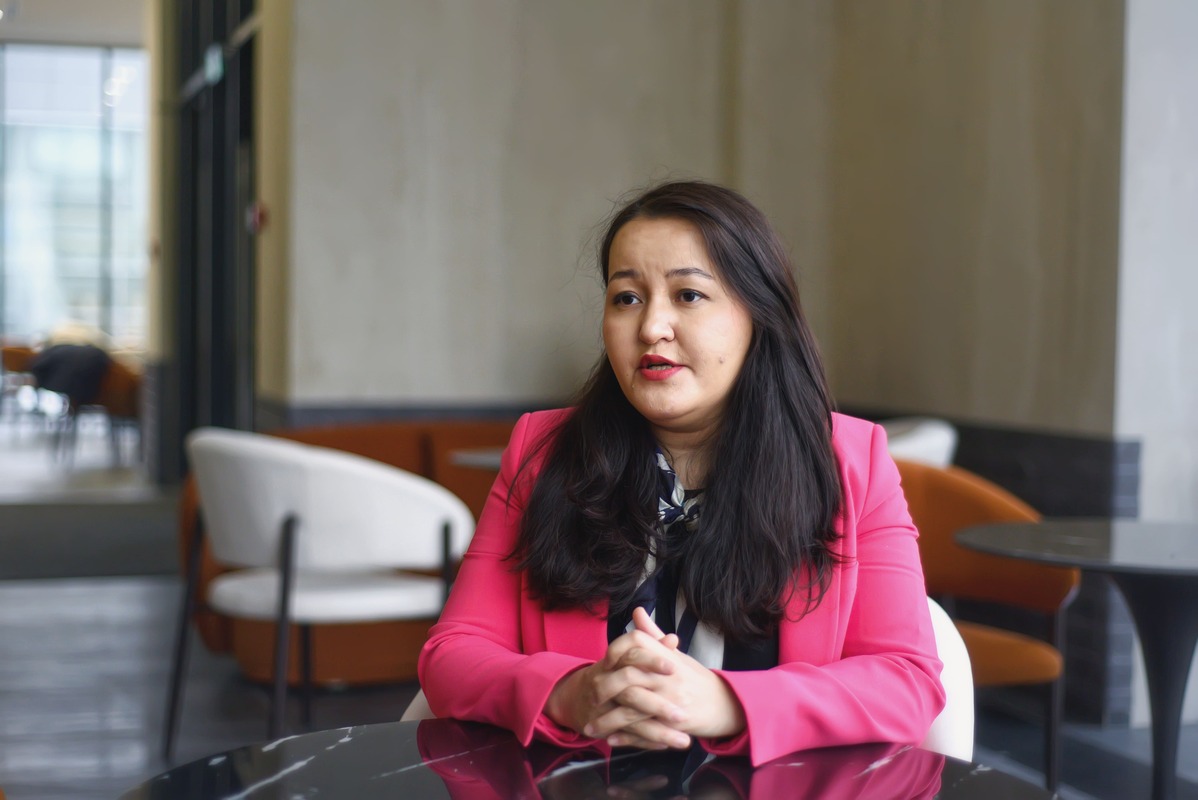
In the early stages, I did everything myself. I came up with the design, built the product logic and architecture, and integrated the AI. I didn’t have a formal tech degree, but I had some IT basics from university. The rest I learned on my own.
The first MVP of YerAI Mentor was an IELTS mock test powered by GPT-4, which could instantly evaluate both speaking and writing. Later, we expanded it into a full platform that supports students through the entire journey of applying to a university abroad — IELTS prep, essays, scholarships, CVs, and visas. The platform is available in Kazakh, Russian, and English.
— What makes the platform unique? And how does it help students applying to universities?
— Our product combines AI with the methodology of a real mentor. The system is trained on a mix of sources and real-life scenarios related to the admissions process. It understands the structure and scoring criteria of IELTS, academic logic and the principles of writing a strong essay, the admission requirements of universities in different countries, and real examples of interviews and mentorship sessions.
The product itself can be broken down into several components. The first is Speaking, which includes three separate AI-powered modules. There’s a full IELTS Speaking simulation, a tool for improving general spoken English, and a visa interview simulator. The interface and prompts are available in Kazakh, Russian, and English, but all speaking practice is conducted exclusively in English.
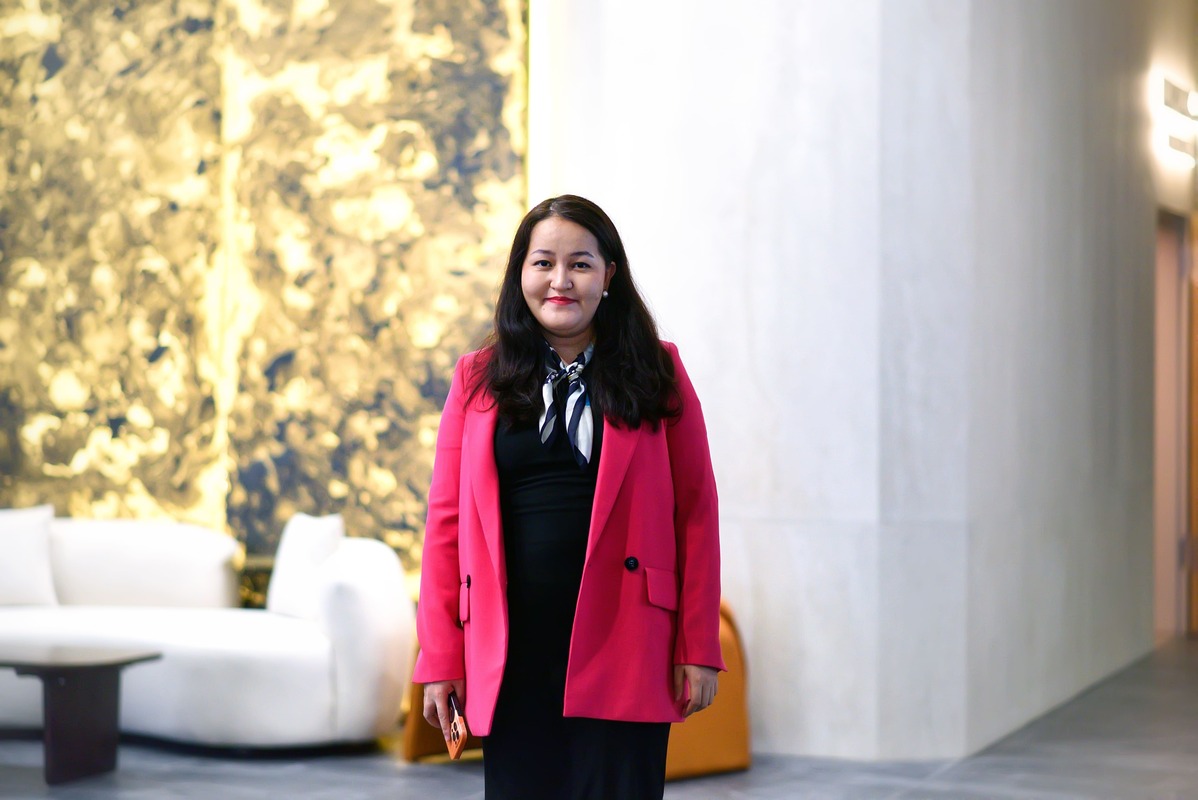
The second component is the Writing Checker. It’s an AI tool designed to assess written work in the IELTS format. It reviews every task a student completes, whether it's from a mock test or part of our IELTS PEP course. The tool analyzes the structure, main idea, and argumentation of each essay, giving students targeted feedback to improve their writing.
The third is the CV Builder, which helps students choose the right resume format, highlight key elements, and tailor their CV to meet international academic standards. It’s based on commonly used templates for university applications abroad and draws from an analysis of successful resumes that led to scholarship awards and admission offers.
The fourth component is the Scholarship Matcher / University Matcher. The system analyzes key aspects of a student’s profile, then matches them with our internal database. It’s trained on real admissions cases, so it doesn’t just look at formal criteria. It also takes into account a student’s actual chances of getting accepted or receiving a scholarship.
The fifth component is the Essay Coach, which helps students organize their ideas based on university requirements. This tool mimics the work of a real mentor. It starts by asking the student a series of questions, then uses their answers to build an essay structure. The algorithm suggests ideas, phrasing, and shows how to make the text more coherent and persuasive.
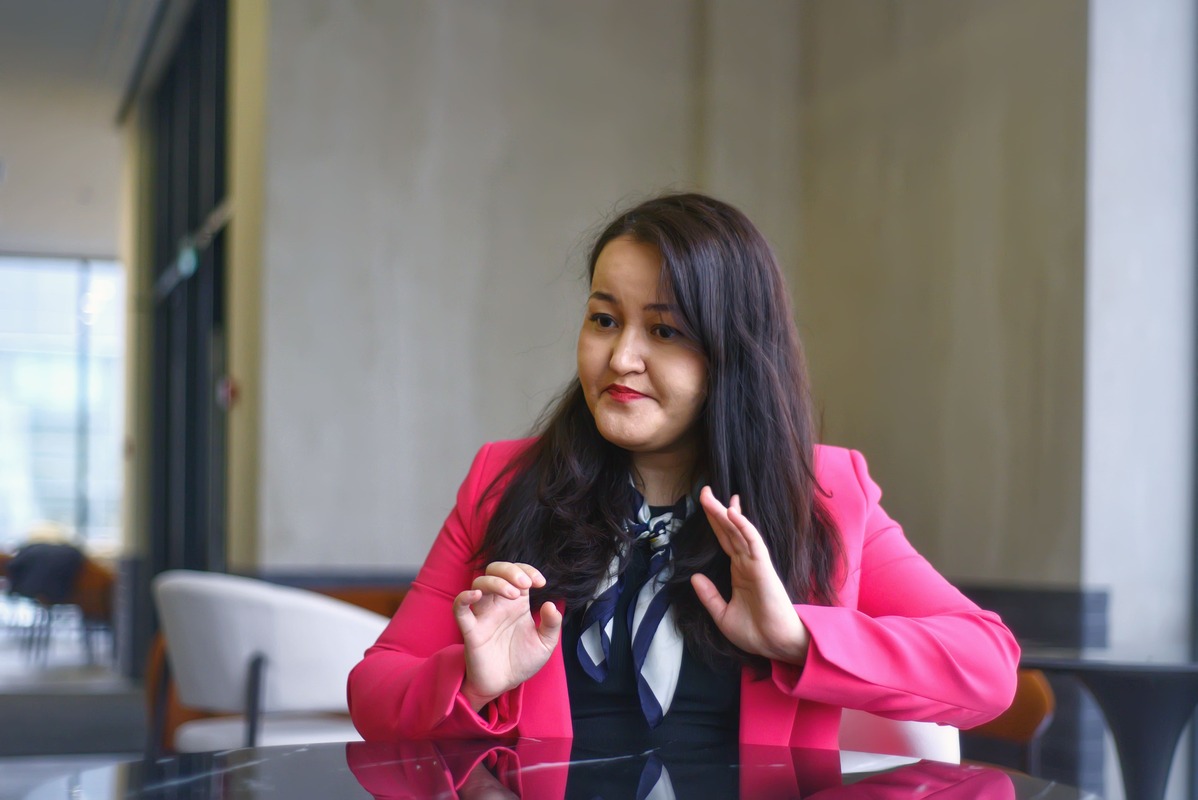
Essentially, our AI system acts like an examiner. It evaluates answers, points out mistakes, and provides recommendations.
We also fully cover interview preparation. For example, when it comes to the US visa, we show all the common questions and typical mistakes that often lead to rejections. Students can practice the interview as many times as they need with an AI-based interviewer until they feel confident. Right now, we offer simulators for visas to the US, UK, Canada, and Australia.
«Our approach is based on a 'multiple options' strategy. Students apply to 20 or more universities»
— How many universities and scholarships are currently in your database? And how do you select them?
— We currently have over 500 international universities and 73 global scholarships in our database. We only include institutions that offer scholarships or financial aid, either merit-based or need-based.
In the beginning, we built everything manually. We collected open-source data, carefully verified it, sorted it, and structured it. Then we moved the entire dataset into our own system, where we continue to update and expand it. Right now, we have universities from the US, Canada, Australia, European countries, as well as Singapore, Japan, South Korea, and China. We’re gradually expanding the list by adding the most in-demand destinations.
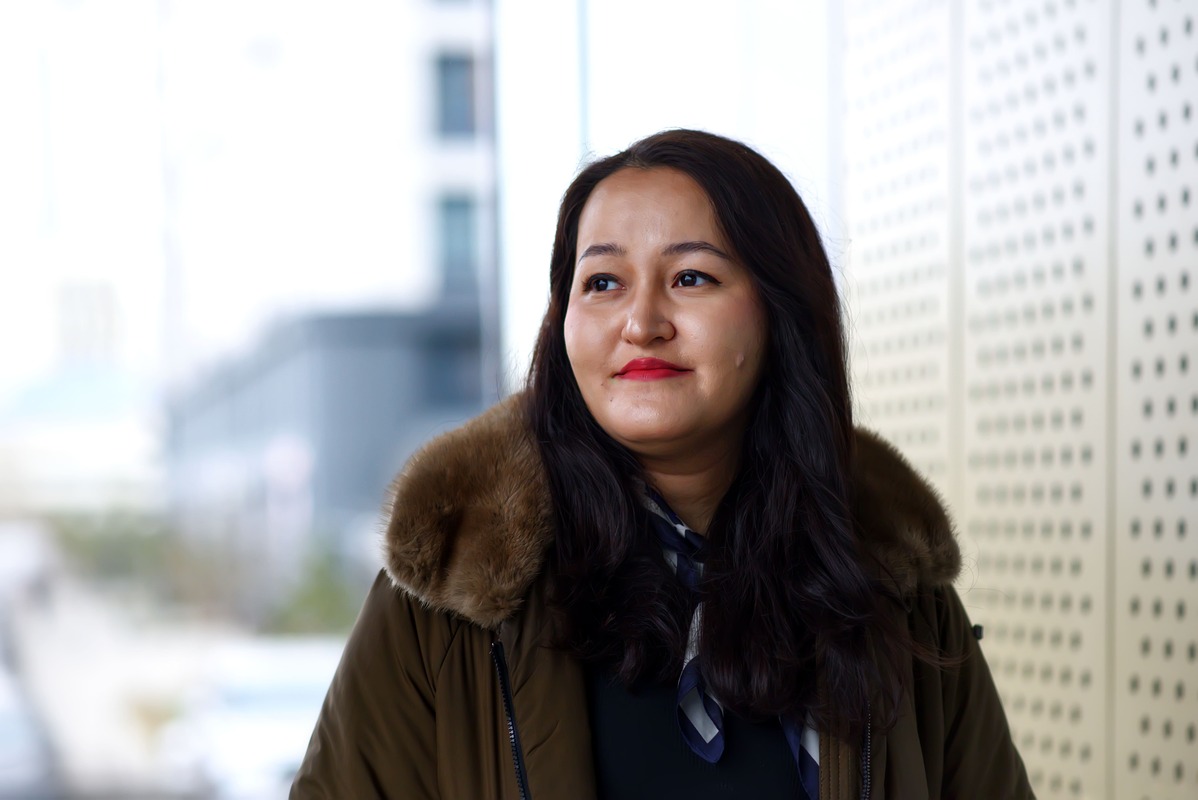
Our approach is based on a multiple-options strategy. Students apply to 20 or more universities across 3 to 5 countries, and in the end, they receive anywhere from 4 to 18 offers. I know this works because I went through a similar journey myself without any mentors. I studied at three European universities on full scholarships. Now, I’m passing that system on to others.
— Which universities are your users getting into, and how many of them receive scholarships?
— Since we only launched the platform in July, our students are still in the process of preparing their applications for the next academic year. Universities will start sending out decisions between March and July.
In the past, when we operated as an online school, we helped students apply to multiple universities across different countries at the same time. Around 95% of them received at least 4 to 5 offers. Some were accepted into schools like Boston University, Penn State, and University College London. We're now using the same approach in YerAI Mentor.
— Is your product paid for by the students?
— Yes, we use a subscription model. That’s our main source of monetization. Students can choose from weekly, monthly, quarterly, or yearly plans.
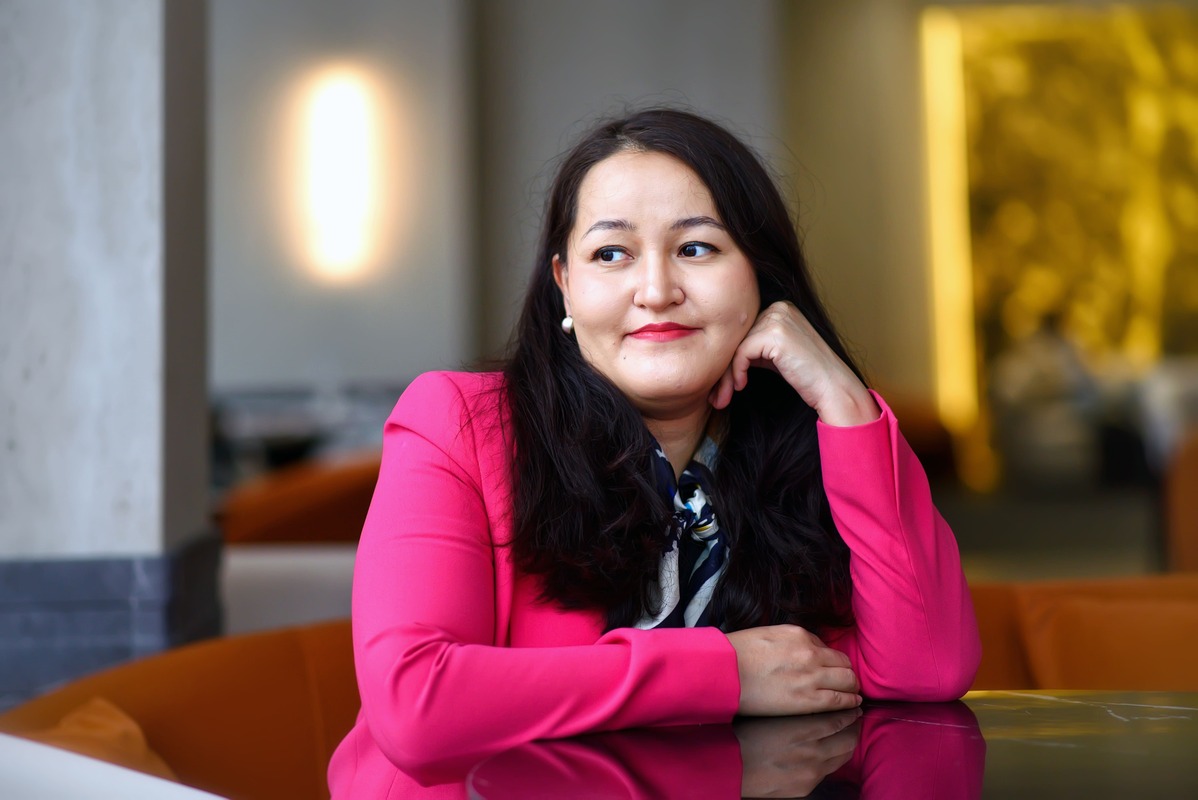
In addition to the basic plan, we offer hybrid options, where students use the platform but also get live feedback from a real mentor. It’s an extra service, designed for applicants who feel it's important to receive personalized input from an actual expert.
«We're open to investment opportunities»
— Who’s currently working on YerAI Mentor?
— I have a co-founder, Erkhanat Khuanbai, who has taken on the role of COO. He’s a certified surgeon and researcher with international experience in Kazakhstan, Mongolia, and South Korea. His academic work has been published in high-ranking international journals. In the project, he’s responsible for operational strategy, product management, the quality of our educational programs, and collaboration with subject-matter experts.
Our CTO is Dimash Zhunusov, a highly skilled Senior Python Developer with 8 years of experience building complex, scalable platforms across the MENA region and Central Asia. He’s helping YerAI Mentor with backend architecture, AI services, LLM integration, and the development of intelligent agents.
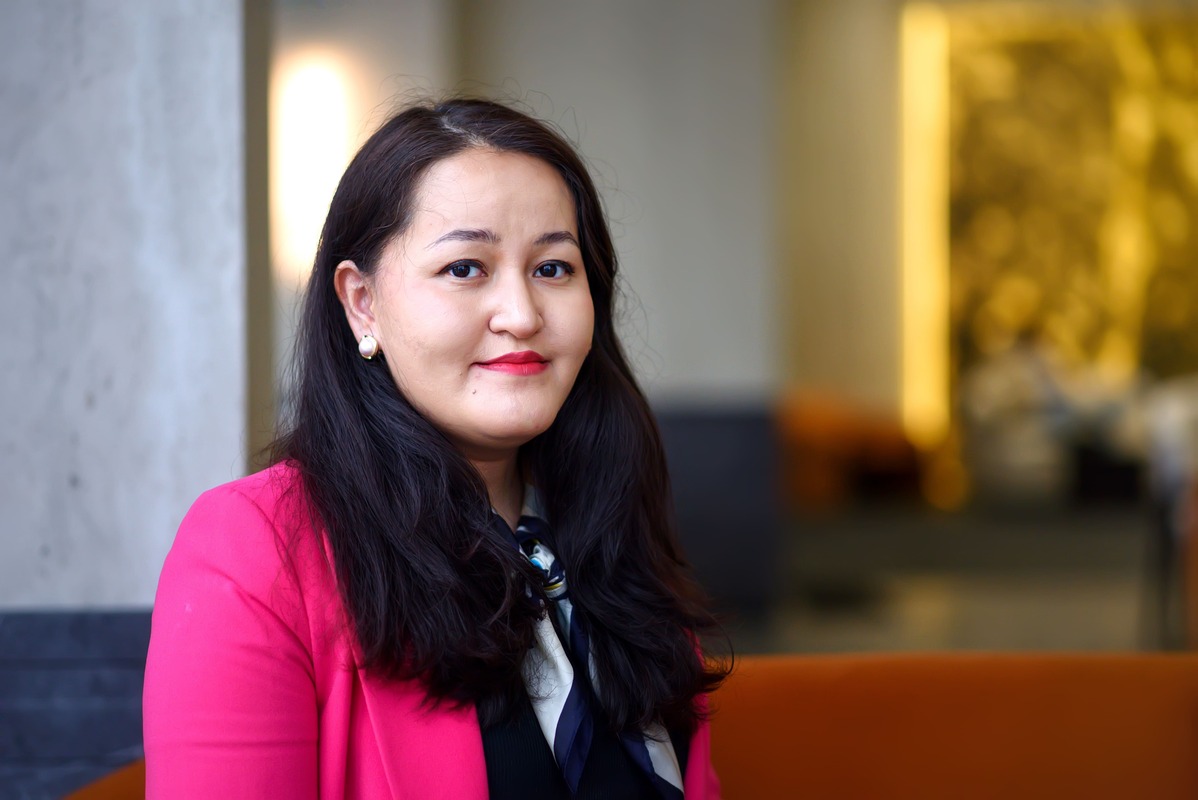
We also have an AI advisor, Dr. Altynbek Murat, a scientist specializing in computational materials, machine learning, and quantum modeling. He’s the founder of QazaqAI, a nonprofit launched at MIT that focuses on developing AI initiatives in the Kazakh language. He’s been with the project since the very beginning, offering expert insight on complex AI components.
— Are you planning to expand into international markets?
— We believe this product should be global. Right now, we already have hundreds of users, and they’re not just from Kazakhstan — about 30% of our audience comes from Mongolia.
Right now, an important step for us is taking part in the Constructor Start Acceleration Program by Constructor University in Germany. Out of 1,680 startups, only 26 were selected, including YerAI Mentor. It’s a great opportunity to test our product in the European market and connect with international partners. At Demo Day, we’ll be pitching to investors and European VCs. We’re hoping the program will help attract interest from global investment funds.
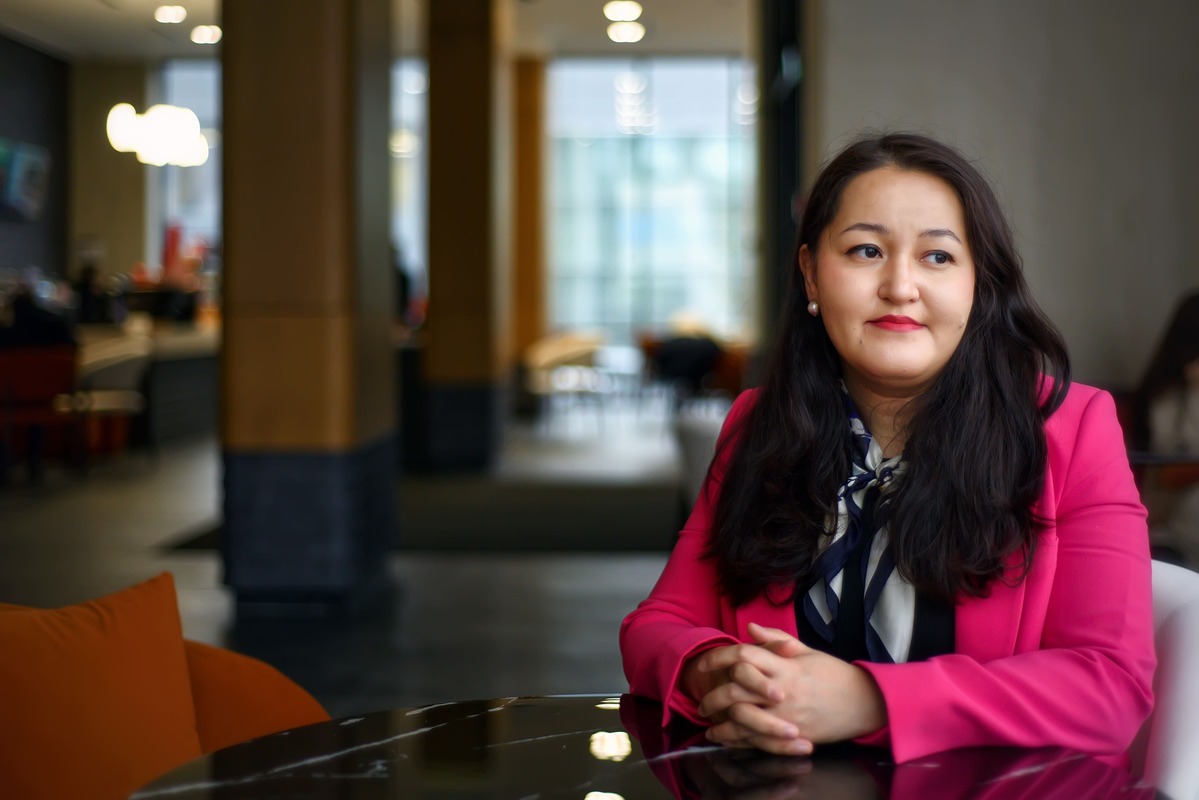
We’re still at the pre-seed stage and currently in ongoing talks, so we’re open to investment opportunities. We’re considering both local and international angel investors, as well as venture funds. Our next steps include strengthening the team, rolling out new AI features, and gradually scaling the platform.
— What advice would you give students to improve their chances of getting into universities abroad?
— To be honest, the main challenge for most students isn’t getting accepted. The real difficulty is winning a full or partial scholarship, or finding a program that’s as affordable as possible. I have a few key recommendations for that.
First, don’t limit yourself to just one scholarship. You should apply to several, because the competition is tough. Second, start preparing early, not just in 10th or 11th grade. You need time to improve your English and build both your academic and personal profile. Getting high scores on standardized tests is also crucial. It significantly increases your chances of winning a scholarship.

It’s also important to build your personal story. Universities don’t just want to see grades. They want to see who you are. They look for involvement in projects, contributions to your school or local community, and initiatives that reflect your interests and motivation. It doesn’t have to be something huge. Even a small local project can become a strong part of your application.
Don’t forget to track your achievements and turn them into strong essays. Don’t just list everything you’ve done. Focus on showing your personal growth, interests, and real impact. When you put all of that together, it gives you a much higher chance of getting not just one but several scholarship offers. That way, you can choose the one that’s the best fit for you.
As a female founder, it’s not always easy. Honestly, none of this would’ve been possible without the support of my loved ones. I get so much help from my husband, my mom, and my in-laws. I’m especially grateful to them.