
Entrepreneurs from Uzbekistan Set Out to Build a Super App for Restaurants on a $20K Budget. Here's What They're Cooking Up



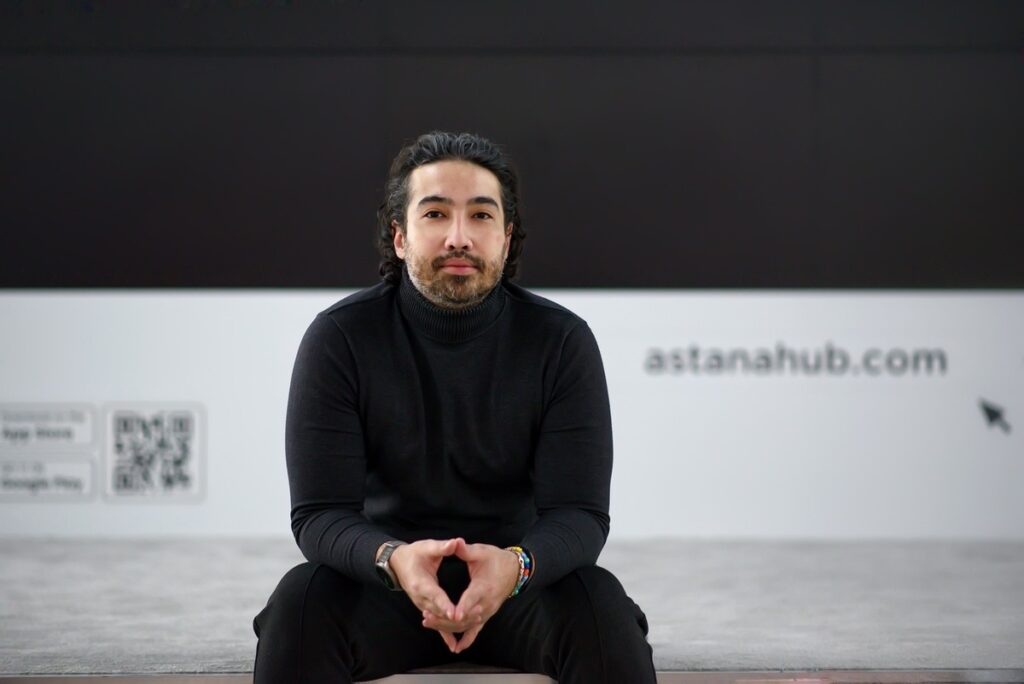
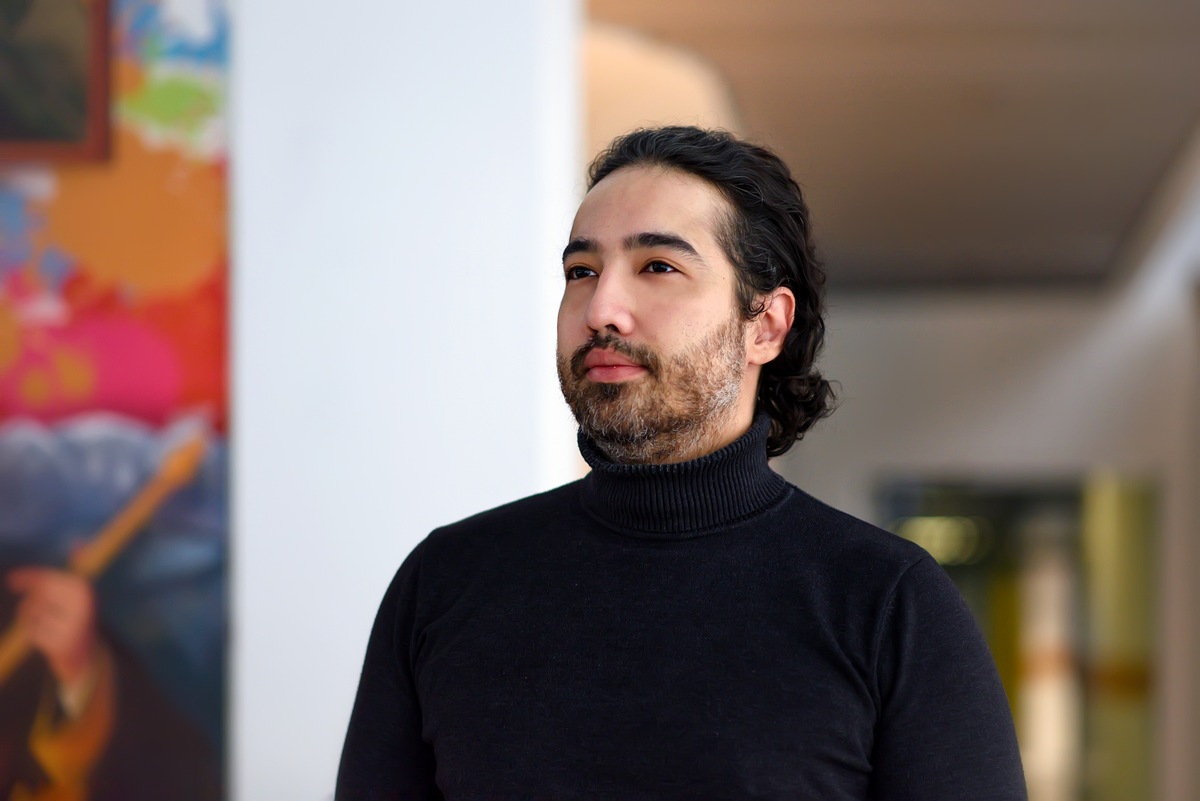
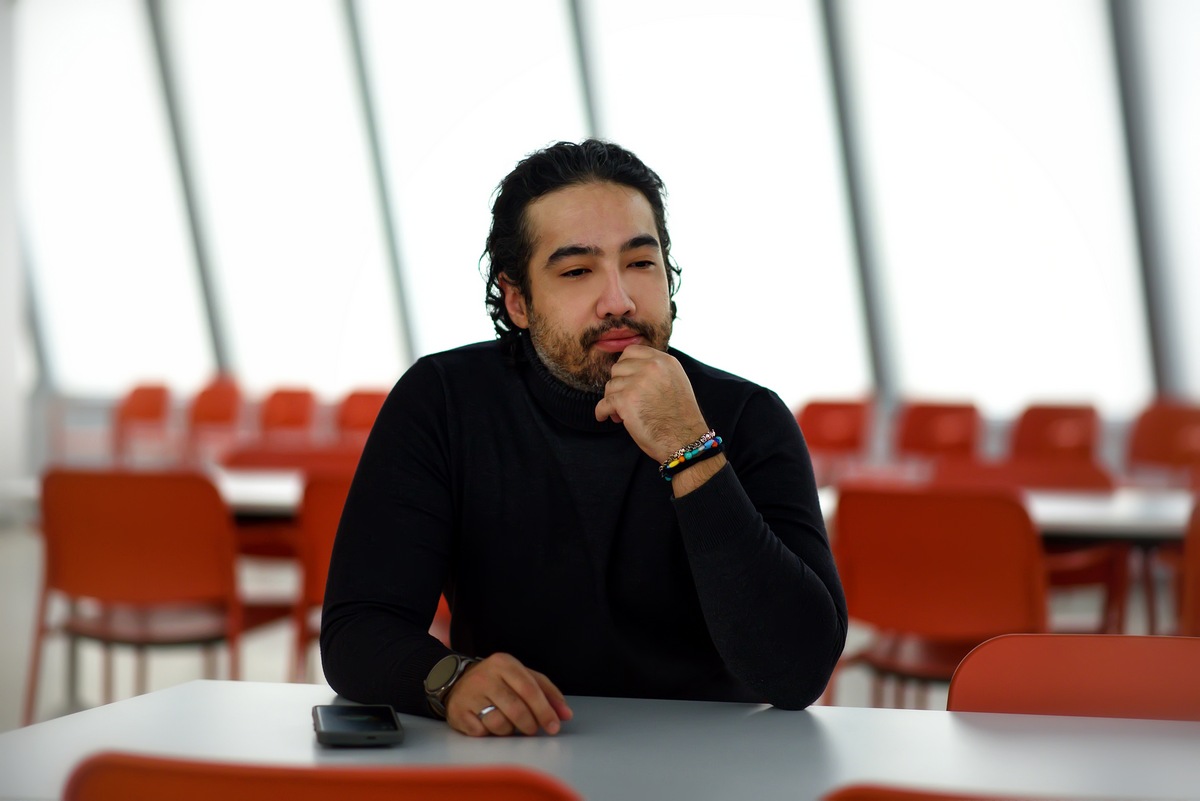
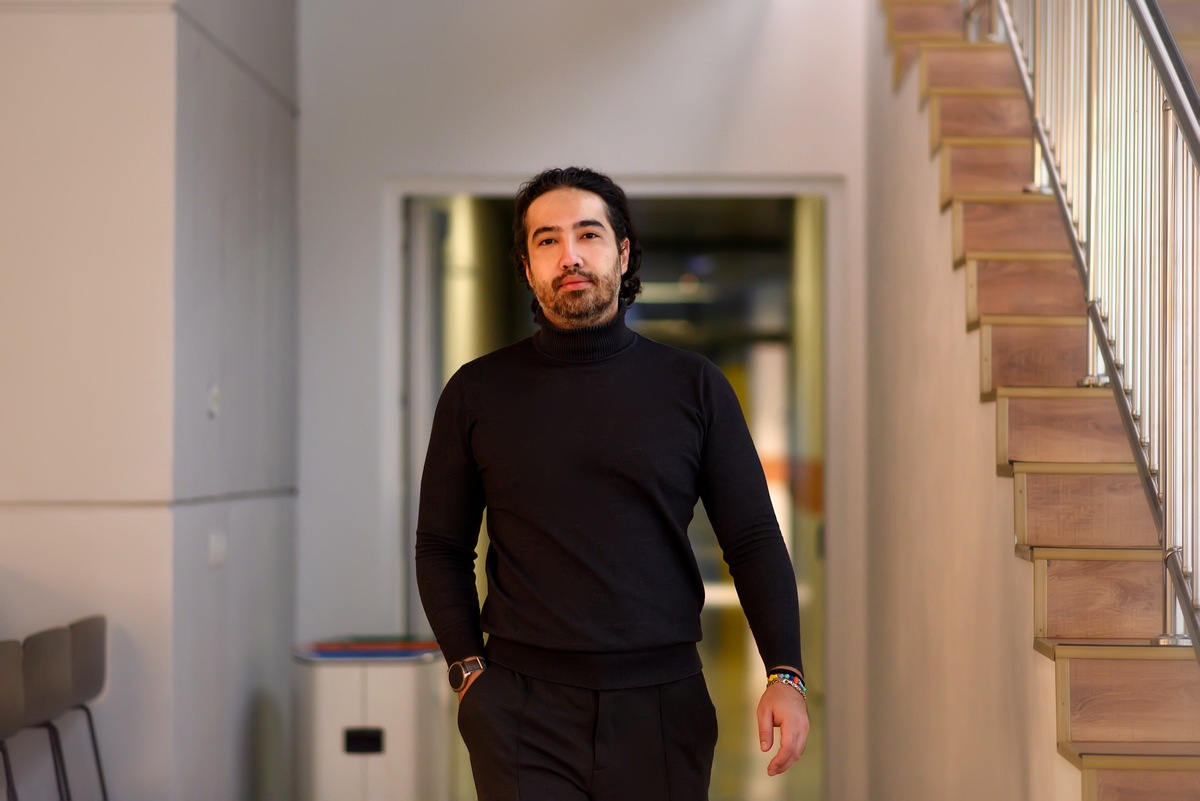
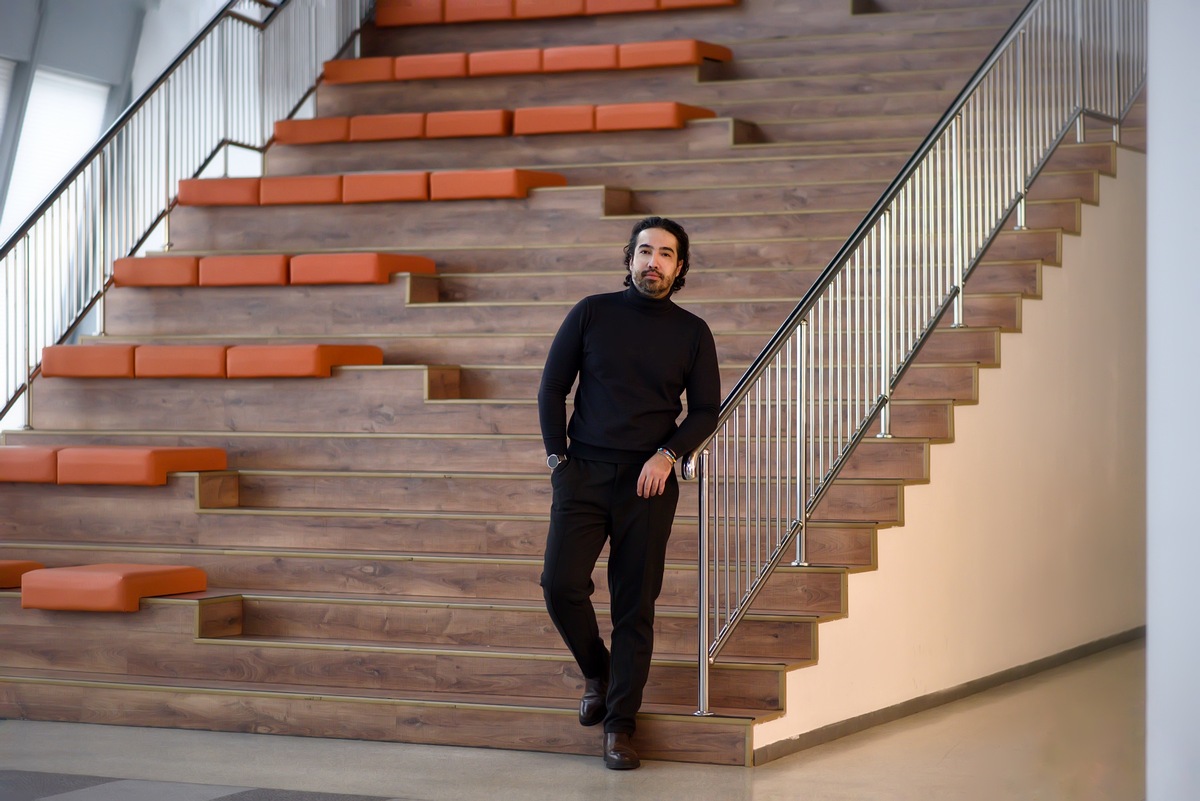
Dadamukhammad Salimov from Tashkent graduated from a university in London, tried his hand at growing watermelons on rented land, worked a regular job for a while, but eventually dropped everything. Now he's building a startup called REZVO with his partners. The service lets people book tables at restaurants, while helping the venues stay in touch with their customers more efficiently.
For the joint project between Digital Business and Astana Hub, “100 Startup Stories of Central Asia,” Dadamukhammad shared how to build IT solutions on just $200 a month without burning through cash, why so many startup founders are dreamers with no grip on reality, and what surprised him about Kazakh restaurateurs’ attitude toward tech projects.
«My first business was in agriculture. I rented a field and planted watermelons»
— My parents are from Tashkent, but I was born in Moscow and went to a specialized school focused on math and physics. So I’ve always had a thing for numbers. After graduating, I enrolled at a university in the UK. I studied at the London campus of Heriot-Watt University, got my bachelor's degree in Business and Finance, then went on to do a master's in Financial Risk Management.
I’ve had experience both working for others and running my own business. I’ve tried my hand in different fields. My first venture was in agriculture. I rented a plot of land and planted watermelons. The idea was to make some money and get a feel for what it’s like to earn income on your own. But I had zero knowledge of farming or how that world works. It was honestly a miracle that I managed to grow anything at all and sell it wholesale.
After that, I spent quite a while working for different companies. I started at a real estate development firm in Tashkent, and my last job was as a representative for Soyuzlegprom, a quasi-government organization in the textile industry. I stayed there for about a year and a half, but eventually, due to some internal changes, they downsized and shut down the regional offices.
— Is that when you decided it was time to launch your own project?
— I realized that working for someone else is fine, but the endless approvals for even the simplest tasks and constant reporting really slow everything down. I’m not the kind of person who likes to stay in one place for too long. If I hit a ceiling or stop feeling the energy and momentum of a project, I get bored fast.
I wanted to get back into entrepreneurship and build something of my own. That’s how we started Duckers — the company behind our project, REZVO, which I’m now developing with my partners.
— So how did the idea for the IT startup come about?
— I had some successful cases in traditional business, but zero experience in IT. I’m not a tech guy by education, and to be honest, I didn’t understand that world at all before. But thanks to my background, I did know how to structure things and set up business processes the right way.
As for the idea, we actually started with something completely different. It was a document builder called DocxBox, made for Uzbek and Russian languages. We funded it ourselves and got it developed, but never brought it to market. We simply didn’t have the experience or a clear understanding of how the IT field works. So we closed that project and started from scratch with REZVO.
The idea came from a personal pain point. I’m that kind of guest who likes to have everything ready at the restaurant by the time I arrive. I want my hookah prepped and waiting. But depending on how busy the place is, I usually end up waiting anywhere from 15 minutes to half an hour. I asked around and talked to friends. A lot of them agreed the idea was cool and would actually be really convenient. So that’s how the concept for REZVO was born — a service for booking tables online, based on what I wanted and what others like me were looking for.
— Who else is involved in the project as a co-founder?
— There are three of us as founders. Me, Rafael Khanzafarov, and Maksim Vedeneev. Rafael has a solid background with over 10 years in development, and he built about 90 percent of the platform himself. Maksim acts as a co-investor and shares the financial risks with us.
My wife, Sevara Salimova, is also part of the project. She handles marketing, promotion, SMM, and PR.
Here’s how we divide the roles. I’m in charge of bringing restaurants on board, handling initial contacts, and managing partnerships. Rafael takes care of the technical side and development. Sevara handles promotion, advertising, and planning video shoots. Through trial and error, we’ve figured out that for a small project like ours, a team of four or five people is more than enough.
«If a product is just an alternative to booking by phone, it has no future»
— What’s the core idea behind your solution?
— For users, REZVO is a service that helps organize their leisure time efficiently. They can book a table through the app for a time that suits them, place a pre-order and pay for it in advance, map out the route to the restaurant, and more.
Booking isn't really the heart of what we're doing. It's just a nice free perk for users. The real value of REZVO is on the restaurant side. It helps them build up their customer base, manage it, and actually talk to their guests. When a place knows who their regulars are, how often they come in, and what they usually order, it’s way easier to fine-tune operations and make more money.
We also give restaurants a tool for direct communication. As part of the subscription, they can send out messages to their customer base for free. Instead of relying on SMS blasts or targeted ads on Instagram, they can use push notifications. Personalized offers get a better response and help bring customers back more often.
— What makes REZVO different from other reservation services?
— The most important thing here is the value we’re creating. If a product is just a replacement for booking by phone, it has no future. A lot of people will still prefer to call, and most restaurants don’t really care how the customer finds their way in, as long as they show up.
When we were developing REZVO, we almost fell into that same trap. But after looking into competitors and digging into the history of similar projects in Uzbekistan, we realized one thing — restaurants aren’t going to pay for something like that.
At one point, we also considered moving toward an ERP-style system, but luckily we stepped back in time. There are already solid restaurant management products on the market, like iiko, and trying to compete with them just doesn’t make sense.
Our concept really started to take shape after a manager from one of the restaurants in Tashkent asked us a simple question during testing. He said, “Okay, someone booked a table. What next? How do we get in touch with them?” That’s when it hit us — having just a booking button is pointless. So we built our unique selling proposition around two key things. First, helping restaurants build a customer base. Second, offering a smarter way to communicate with those customers. REZVO lets venues collect data on their guests, analyze it, and reach out to them easily and affordably.
But working with restaurants is just the beginning. Our growth plan is to cover the whole HoReCa sector over time, and after that, move into TravelTech. We're aiming to tap into the global hospitality and tourism space.
— How many venues are working with REZVO?
— We’ve only been operating for two and a half months, and right now we have around ten venues onboard. That’s a solid number for this stage of development, because for us, quality matters more than quantity. As for our short-term goals, out of 430 suitable venues in Tashkent, reaching 20 to 25 percent would be more than enough.
As for users, we got over a thousand app downloads in the very first month and around 600 regular users. Sure, we’d love to grow faster, but the important thing is that there’s momentum. We’ve got the wheels turning and we’re slowly picking up speed.
— Are there any cases where REZVO has already helped venues?
— I can't name the venues because of confidentiality, but we brought in 25 customers to one of them during the first month, and more than 10 to another. When you compare that to the subscription cost, the value they get from REZVO is way above what they’re paying.
But those are cases where the venues are actually using the platform — working with their customer base, sending push notifications, not just signing up and leaving it there. I really like seeing owners who get the importance of going digital, because more customers usually means more money.
— How did you land your first sales?
— To test things out before the launch, we got 27 venues in Tashkent and 2 in Nukus to try the system. And even getting them to agree to a free pilot wasn’t easy. Convincing owners and managers took some real work.
The real challenge kicked in after the testing phase. Selling a product in a market that’s not very digital yet was harder than we expected. In a lot of places in Uzbekistan, bookings still get scribbled on bits of paper and tossed out at the end of the day. So there’s basically no customer data being used, even though most guests are actually regulars.
Our first sales were a real struggle, so we quickly ditched the idea of going after fast food joints or traditional eateries. Those places have a high turnover, and no one’s booking tables. People just come in, eat, and head out. Instead, we decided to focus on image-driven and tourist-friendly spots like restaurants, bars, and lounges. And of course, hookah lounges. We figured out how to legally handle hookah bookings the right way, which no one else has done.
«I was strongly against raising money just “for the idea,” like so many others do»
— What is REZVO’s monetization model?
— For users, everything is free, and there are no hidden fees. Only the venues pay to use REZVO. The pricing is based on our business model and operating costs. The OPTI plan costs 150,000 UZS per month, which is around $12.50, and the PRO plan is 400,000 UZS, or about $33.
We're working on a third pricing option, which is a commission-based model. If a restaurant isn’t up for paying a subscription, it can still use the platform and just pay a commission on each prepaid order. The service will still be free for users. To make this work, we’re planning to integrate Paylov, a local fintech project from Uzbekistan.
— When are you planning to break even?
— Based on how things are going with new venues coming on board, we’re expecting to break even around May next year. Of course, it could happen a bit later, maybe in July, or even earlier, like February.
Our budget is super lean. Right now, our operating expenses are under $200 a month, which is really low for a service like this. Of course, that doesn't include marketing, and as founders, we’re not taking any salary. What matters most at this stage is getting the project off the ground and bringing it to life.
— How much have you invested in the project so far?
— We’ve put in about $20,000 so far, all from our own pockets. I’ve always been against the idea of raising money just for the sake of an idea, which a lot of people tend to do. From what I’ve seen, around 90 percent of startup founders are dreamers. No offense to anyone just starting out, but way too often their main goal is to chase funding. And that’s not always the right way to go.
I believe that before looking for investment, you need to test your hypotheses and at least get a bit of real market experience. When people get funding for a “brilliant” idea that’s supposed to take off, but they have no clue how to manage the resources, the result is usually a dead-on-arrival project.
That’s why our team decided to take a different route. First, we wanted to build the product, test if it’s viable, make sure it actually works, and only then start raising money and looking for investors. You could say we went with a more classic business approach.
But now we’ve reached the point where we do need outside capital, and that’s exactly what I’m working on. I’m currently in talks with a venture fund based in Uzbekistan.
— How much investment are you aiming for?
— I can’t name a specific number just yet since the talks have only just started. But we do have a clear idea of how much we’ll need to run things properly and build out the team if growth picks up quickly. To keep going at our current pace, we’d need about five times less. Roughly speaking, even $50,000 would easily cover the next six months, with room to spare.
«In Kazakhstan, the first thing they ask is What value do you bring?»
— What do you think about the Kazakh market?
— I ended up in Astana after REZVO got into the Market Entry Accelerator, a joint program from Astana Hub and Uzbekistan’s IT Park. I actually signed our first partner there on my second day after landing. Right now, we’re working with a place called Code Da Vinci in test mode.
The restaurant market in Kazakhstan is huge and, more importantly, pretty advanced when it comes to digital tools. Honestly, I was impressed by how fast things move here. You don’t have to spend a lot of time explaining what your product is or why it matters. At first, when I started looking into venues in Astana, I thought it would be like in Tashkent — trying to convince people, explain the value, and deal with long negotiations. But in Kazakhstan, the first thing they ask is what value you bring. If you make that clear, you get a quick answer, either yes or no. I really liked that kind of direct and straightforward approach.
So we’re seriously focused on the Kazakh market and planning to launch here properly. We’ve already bought a .kz domain name.

— Are you planning to enter other markets as well?
— Our growth and expansion strategy focuses on Central Asia: Kazakhstan, Tajikistan, and Kyrgyzstan. The next stage will be Georgia, Armenia, and Azerbaijan.
— What about the European Union or the United States?
— We’re not really looking at Western Europe. Those kinds of solutions are already well established there, and competing with local projects would be tough. As a foreign product, we might not have any real competitive advantages.
Something interesting happened with the US market. Some guys originally from Uzbekistan, who own a venue in Chicago, reached out to us. We’re adapting the platform for the American market, and they’re mainly interested in handling pre-orders, prepayments, and managing their customer base.
— What are your plans for developing the service in the near future?
— Our development strategy involves gradually moving from the restaurant sector into the wider HoReCa industry, and from there into TravelTech.
We recently integrated with a great service called OYGUL, which is a marketplace and aggregator for flower shops and gifts. About 35 percent of their flower and gift orders after 6 p.m. are for restaurants, so we added an OYGUL button in REZVO. Now our users can order flowers or a gift for the restaurant where they’ve booked a table.
We’ve had the option to book a taxi for a while now, and in December we plan to integrate with a car-sharing service in Uzbekistan. We want to give people more options.
Our plan is to turn the REZVO app into a super app that lets tourists handle their entire logistics chain: pick and book a hotel, call a taxi or rent a car, and find a restaurant or other interesting places to visit.