
Kazakh Innovators Have Found a Way To Improve Construction Using AI And Have Already Raised $1 Million




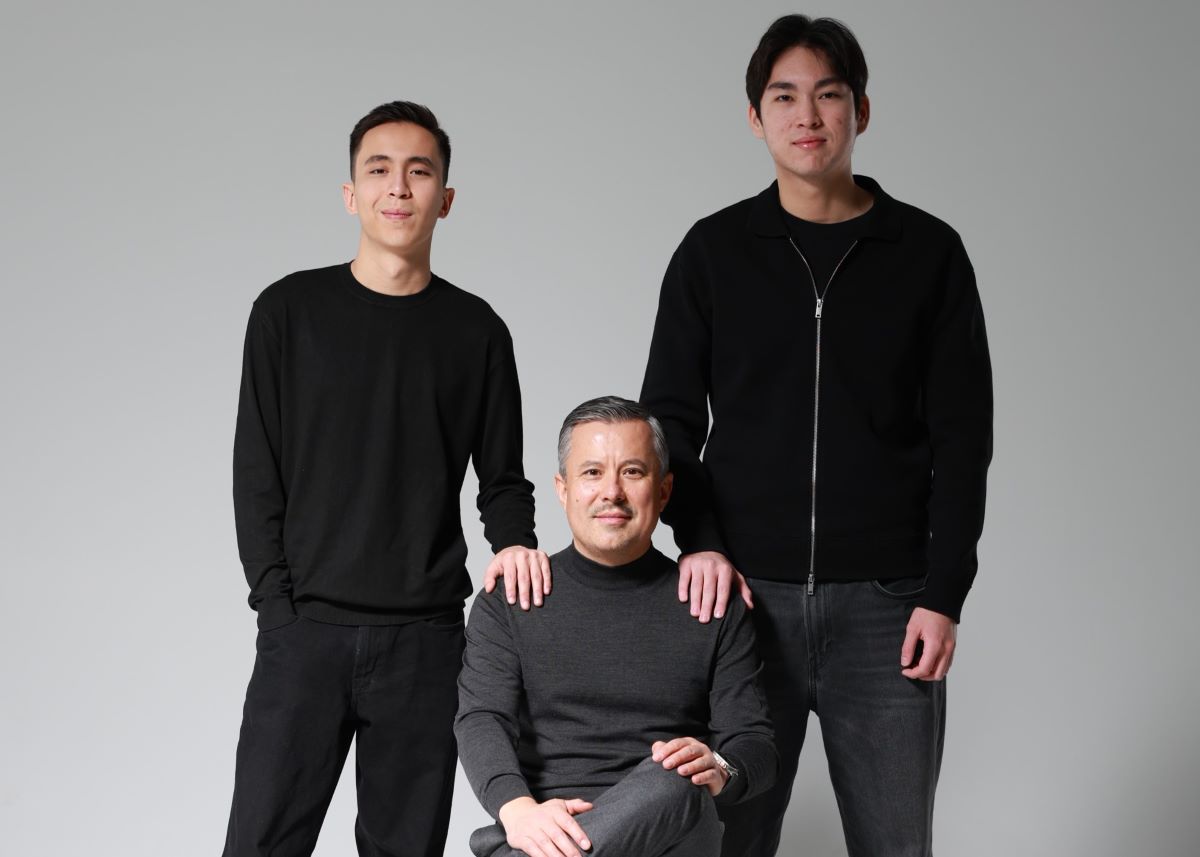
Sanzhar Rakhmetzhanov has been working in industrial engineering and developing his own technology business for more than 25 years. In 2025, together with his son Temirlan Rakhmetzhanov and Nuraly Baktygaliev, he founded Armeta AI. The team is building an AI platform for the design and construction industry and has already raised $1 million from a US–Qatari fund.
As part of the joint project «100 Startup Stories of Central Asia» by Digital Business and Astana Hub, Sanzhar and Temirlan shared how the idea for Armeta AI came about and how their product helps engineers simplify the process of reviewing construction projects. We also discussed what makes the project unique, how they plan to invest $40 million in the coming years, and the company’s expansion into the Middle East and the United States. Finally, they explained why running a family business in IT can be a great idea.
«I got tired of watching our engineers spend 90% of their time on repetitive tasks»
– What were you doing before launching Armeta AI?
Sanzhar: – I spent many years working in industrial technology. Until 2012, I was a hired manager responsible for investments, plant development, and digitalization. After that, I started my own business. I became a co-owner of the KPSP Design Institute and the Ust-Kamenogorsk Industrial Valves Plant. At the same time, I launched several tech services focused on construction support, calculations, technical supervision, and contractor management. We developed projects, sold them, started new ones, and sold those too. Our clients included companies in Kazakhstan as well as abroad — in Russia and the Middle East.
Temirlan: – I studied engineering at Constructor University in Germany, where I gained my first work experience. In my first year, my father told me, «I’ll pay for your studies, but if you want to eat or have fun, go earn your own money.» As a result, I got a job with a German entrepreneur as an assistant. He owned several businesses related to property management. I worked for him faithfully for four years and eventually rose to a top management position.
Life in Germany was very comfortable, but despite that, I had a dream to work with my father. I wanted to become closer to him.
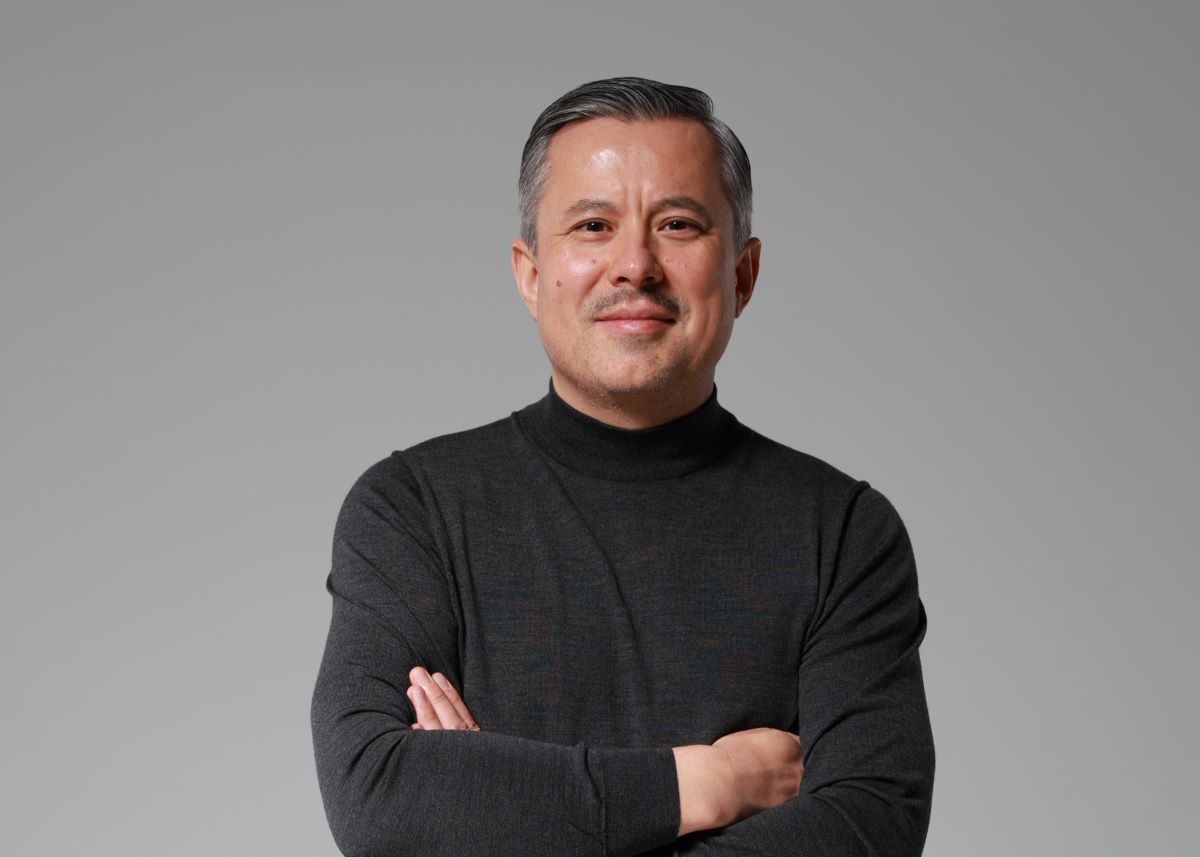
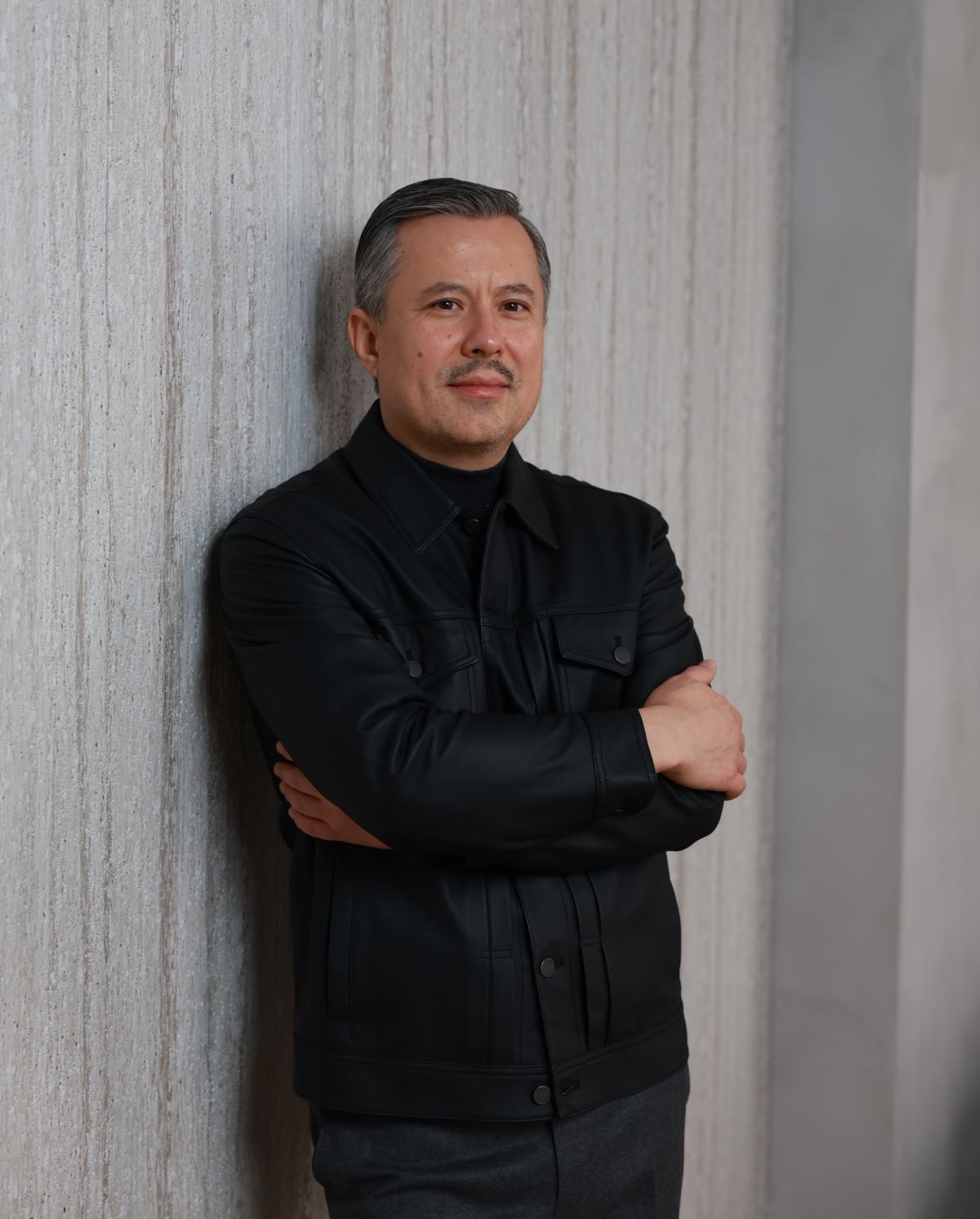
Sanzhar Rakhmetzhanov
– How did the idea to launch a joint startup come about?
Temirlan: – In Kazakhstan, I spent the first three years studying my father’s businesses and learning the processes. At some point, I came to him and said, «I’m tired of watching our engineers spend 90% of their time on repetitive tasks. Let’s do something about it.» I added that I would either create my own AI project or we could launch it together.
Sanzhar: – I told him, «Don’t go anywhere. I’m ready too. Let’s do it». That same day, we registered a company in the United States.
– What did you decide to focus on?
Sanzhar: – The idea started forming long before we launched the startup. When ChatGPT appeared, I was studying at MIT and Stanford, focusing on AI and the venture capital market. Naturally, we first looked at our own field, which includes design, construction, and industrial asset management, and began to consider what kinds of transformations could happen there.
At first, we thought about creating something similar to GitHub, a code repository where people exchange ideas and work together as teams. We wanted to build a similar platform for design engineers. Soon we realized that we had taken on too much, and the technology at that time was not ready. Developers work only with code, while engineers deal with a huge variety of formats, documents, drawings, 3D models, specifications, and technical and regulatory requirements. We launched the pilot version of the project only within our own design institute.

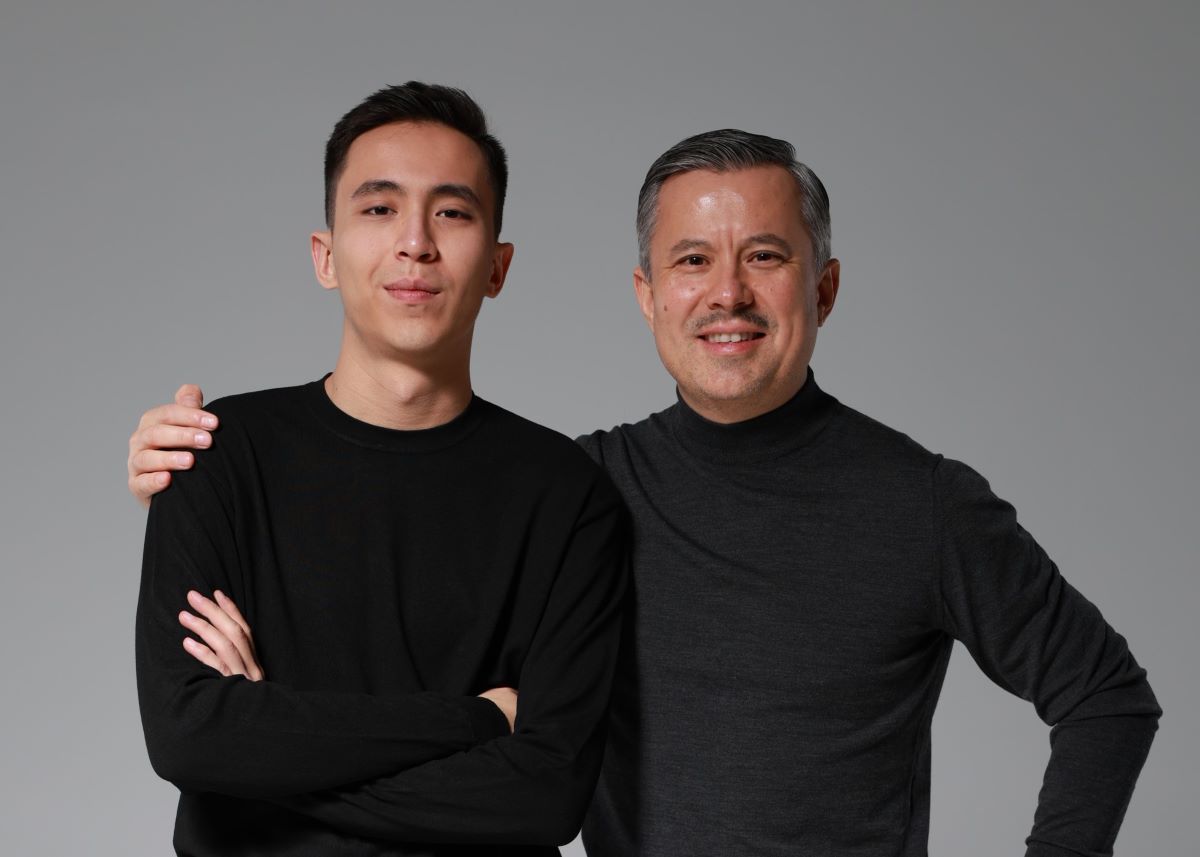
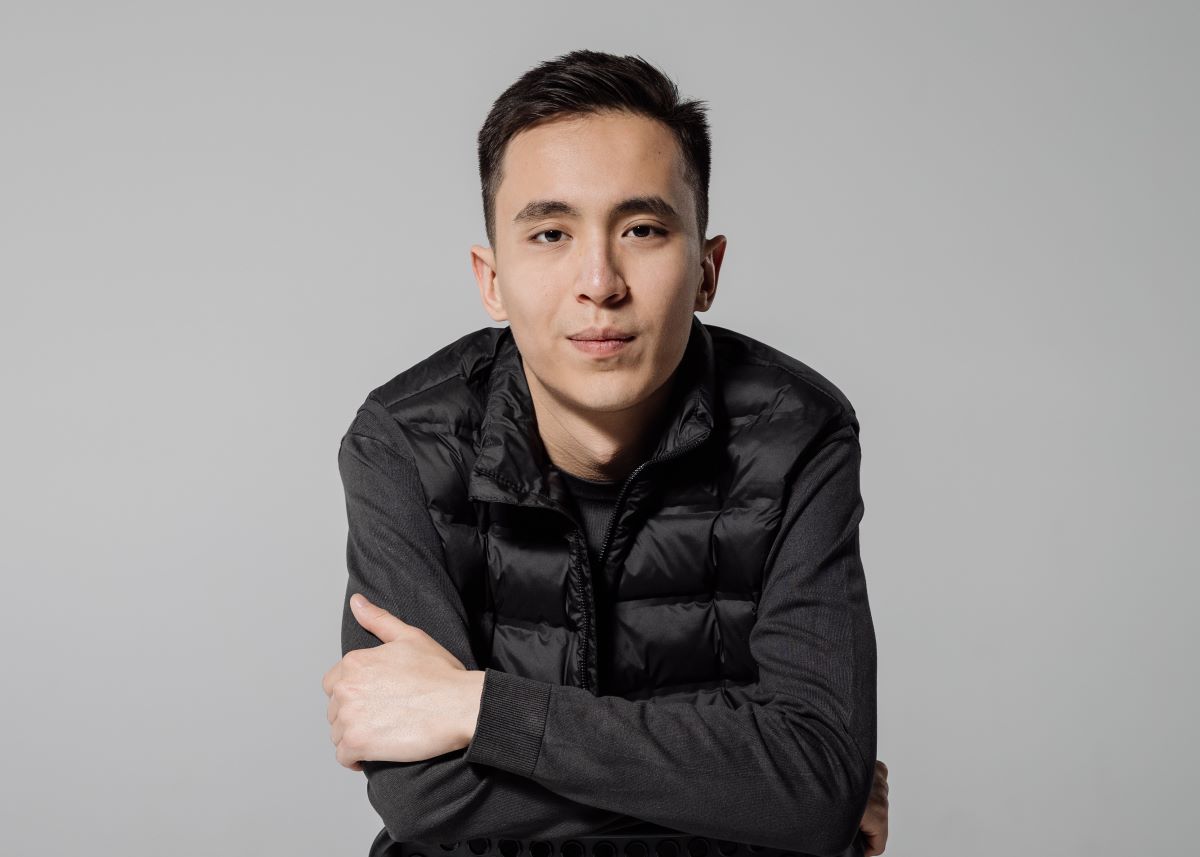
Temirlan Rakhmetzhanov
Temirlan: – We temporarily stepped back from the original idea and focused on creating an AI assistant. It could generate technical documents for specialists, perform engineering calculations, and answer polytechnic questions related to construction. But we soon put the assistant project on hold as well.
«To be recognized, you need to deliver an instant financial impact»
– Why did you decide to give up on the idea of an AI assistant?
Sanzhar: – We flew to the USA and started meeting with venture funds and experts in Silicon Valley. It turned out that the AI assistant topic was already becoming outdated. They told us directly, «If you had come a year earlier, you would have been a perfect fit for the market. Now you need to create something more fundamental.»
Temirlan: – The construction tech market is one of the most traditional industries. To gain recognition, your product must deliver clear value and an instant financial impact. That’s why we decided to move toward building a deep technological platform. We’re now working on developing our own foundational models for the construction sector. The main idea is to take over routine, repetitive tasks from specialists.
– Which ones?
Temirlan: – I’ll give an example based on a real case. We are currently launching a pilot project with a government partner in Kazakhstan. This organization is a regulator that issues construction permits. Usually, experts review documents manually. Our model can take over the monotonous part of the work and leave specialists with what they truly enjoy and do best, such as expert analysis, creative tasks, and the analytical part of the process.
– How does your project work for regulators?
Temirlan: – Governments have portals where developers upload design and estimate documentation for review. Through API infrastructure, the files are automatically transferred to our system, and we begin checking them.
Sanzhar: – As a result, the expert receives a ready-made set of findings that includes identified inconsistencies and compiled comments. To put it simply, the system automatically processes the entire package of uploaded documents such as drawings, models, estimates, and specifications, and runs them through a chain of our models and rules. It compares the documents with current regulations, detects discrepancies, highlights suspicious elements, creates a structured report, and shows exactly where a problem might be.
The expert immediately sees the overall picture, analyzes the information, provides feedback to the developer, and ultimately makes the decision on whether to grant construction approval.
– Why did you choose to focus on AI? You could have just automated the routine processes.
Sanzhar: – Traditional automation is a set of rigid rules, a monolithic system. The algorithm only does what it has been programmed to do. If a project differs even slightly in structure, drawing format, or type of documentation, the algorithm can no longer handle it.
Engineering projects are never the same. Each one has its own set of drawings, specifications, technical requirements, and 3D models. It’s impossible to fit all of that into a single script. That’s why classical automation quickly hits a ceiling in this field.
AI works differently. It can understand context, learn from engineering data, and adapt to new formats and object types. Modern computer vision, for example, can recognize elements in drawings and interpret complex technical structures, something that was previously impossible to achieve with traditional algorithms.
«Instead of taking a year, the review of a construction project will take just a few days»
– The quality of construction affects people’s lives. How can engineering projects be trusted to AI, knowing that it can make mistakes?
Sanzhar: – We deliberately moved away from using well-known LLMs because they’re exactly what cause most of the errors and hallucinations. Public models like ChatGPT are trained on all kinds of data, from everyday topics to highly technical ones. They don’t understand the context of construction engineering, can’t distinguish the correct standards, and lack knowledge of the industry’s specifics.
We’re building our own foundational models trained on a strictly relevant dataset created specifically for the design and construction industry. We also use a multi-agent system, where several models work on a task simultaneously. Each one checks the other’s results, refines the data, and corrects mistakes. As a result, the output is more accurate and reliable.
Temirlan: – The final decision is always made by a human expert. AI highlights inconsistencies and problem areas, while the engineer reviews and approves the findings and takes responsibility for them. This combination ensures both accuracy and safety.
– What changes for a company that starts using your product?
Sanzhar: – It frees up time for creative work. Imagine uploading hundreds of files to a portal. Someone has to check seals, signatures, dates, document sets, and authenticity. It is an enormous amount of routine work. Experts did not study for years just to verify a hundred seals a day. They are architects, design engineers, and technology specialists. Their real job is to design, analyze, create solutions, and experiment. That is exactly what they can start focusing on again.
– So, does that mean the review process will become faster? How will this affect the construction industry?
Temirlan: – There are established standards: five working days to check the completeness of the documentation and forty-five working days to review the project and issue a conclusion. Before the state examination, there are other stages, such as environmental assessments and obtaining technical conditions. As a result, the entire cycle in some cases can stretch to a year. Our goal is to make the review process take only a few days.
Right now, regulation in construction is a bottleneck for investment projects. A limited number of projects go through the state review process — we are talking about thousands of sites per year. But the system has the potential to process tens of thousands. This could even contribute to a noticeable GDP increase by accelerating capital turnover and construction speed.
«We plan to invest $40 million into the product over the next two years»
– How does the project make money?
Sanzhar: – We use a hybrid monetization model. For the public sector, it’s either the classic government procurement format with fixed pricing and terms or a public-private partnership model.
For private companies, we follow a licensing model. A firm purchases a license to use the product but pays for it on a subscription basis, either monthly or annually, rather than as a one-time payment.

– Let’s talk about investments. What funds are being used to develop the project?
Sanzhar: – Initially, the project was developed entirely with our own funds. We invested several hundred thousand dollars. Later, we received our first investment of $1 million from a US – Qatari fund.
I think we will finalize our pre-seed round within the next two weeks. I am also investing in the project as a co-owner of the company. I believe in our idea and do not want to dilute our share too much at this early stage.
– What do you need the funds for right now?
Temirlan: – Over the next two years, our main priority is developing and training our own foundational models. This is the most expensive area in AI today. We plan to invest around $40 million in it, which we will attract gradually.

Training the models involves an enormous amount of work. All the data must be labeled, the model needs to be taught to understand context and process information correctly. On top of that, there are costs for data storage, processing, various service subscriptions, and infrastructure.
Sanzhar: – Our startup is DeepTech, which requires a much more fundamental approach. You can’t just jump into it. This is not the kind of story where you can «code a product in two weeks» and quickly build an MVP. It takes a large team, serious research, and strong R&D.
Paying 50 to 60 skilled AI, ML, and backend engineers is expensive. These are our estimates for the future. For now, we have 26 people, and we are actively growing.
– Where is your team based?
Sanzhar: – Our main R&D center is located in Astana. We didn’t even consider other cities. As my son Arlan once said, Almaty is like New York, and Astana is like San Francisco when it comes to technology. There are great opportunities for startups here, including many talented students and young professionals.
In the USA, we have a small office and two ML engineers. Their job is to stay at the cutting edge of technological development. Everything new that appears in Silicon Valley, they immediately share with our R&D team. We test and experiment with it. Of course, much of it doesn’t stick, but that’s how we discover what truly works.
– How do you divide roles within the team?
Sanzhar: – Temirlan is the CEO and co-owner of the company. He oversees product development and corporate matters. I am also a co-owner and responsible for sales, commerce, and business development. My position is Chief Business Development Officer (CBDO). The third co-founder is CTO Nuraly Baktygaliev. He graduated with honors from a university in the UK, majoring in computer technologies. Even during his studies, he fully focused on AI, ML, and related fields. As soon as he graduated, he flew here, and we agreed to launch the company together.

Nuraly Baktygaliev
And one more thing — Nuraly is practically my nephew, the son of a close friend.
– Why is family such an important value for you?
Sanzhar: – Many people think that a family business is a bad idea. I believe the opposite. Family ties and shared values within a team can make a company incredibly strong. This model works well in both the USA and Europe. I have worked with such businesses and watched how these systems function for decades.
To be honest, I once had a startup that fell apart because of conflicts between co-founders. After that, I decided to wait until my children grew up and then build a business with them. My middle son, Arlan, chose his own path. He runs a startup called Nozomio, and I only help him with advice.
– What are your plans for the coming year?
Temirlan: – Our goal is to integrate our solutions as widely as possible in Kazakhstan, both in the public and private sectors. There are countless areas where our AI platform can be applied, especially in government and quasi-government institutions. Starting in January, we will also join a six-month acceleration program at Alchemist in San Francisco. During this period, we plan to begin scaling in the United States.
The US market is large, dynamic, and much more fragmented than Kazakhstan’s. Construction requirements differ not only from state to state but even from city to city. That is why I am confident there is a strong demand there for a convenient tool for regulators and large corporations.
Sanzhar: – The markets of Central Asia and the South Caucasus are also strategically important for us, especially Uzbekistan and Azerbaijan. In 2026, we plan to open offices there, and we are already in talks with potential clients.
We are also actively expanding into the Middle East, and just recently, we opened an office in Qatar.
We do not want to depend on a single region. Our plan is to grow in several countries at once, quickly adapt the product to local construction and design standards, and build a strong network of local partnerships.