
A Young Man Returned From the USA to Uzbekistan to Promote Sports Culture in the Region. He Has Already Raised $300,000 for His Project



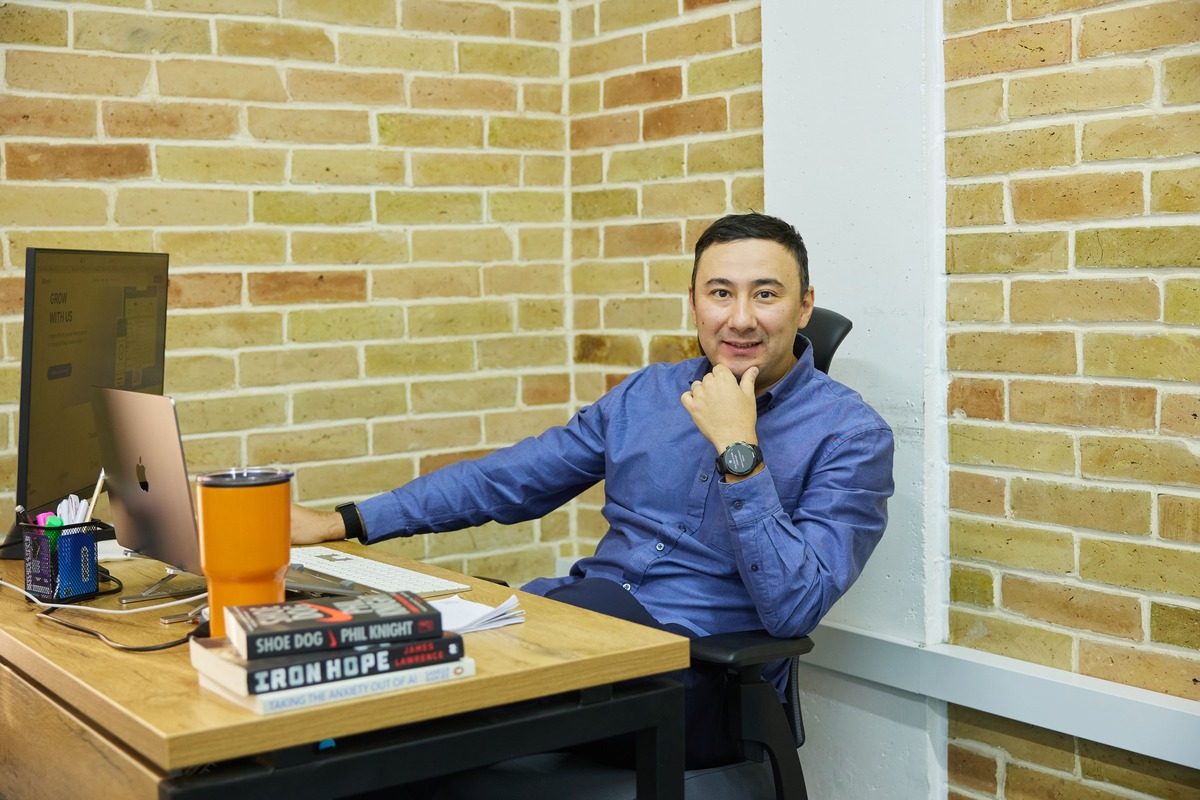
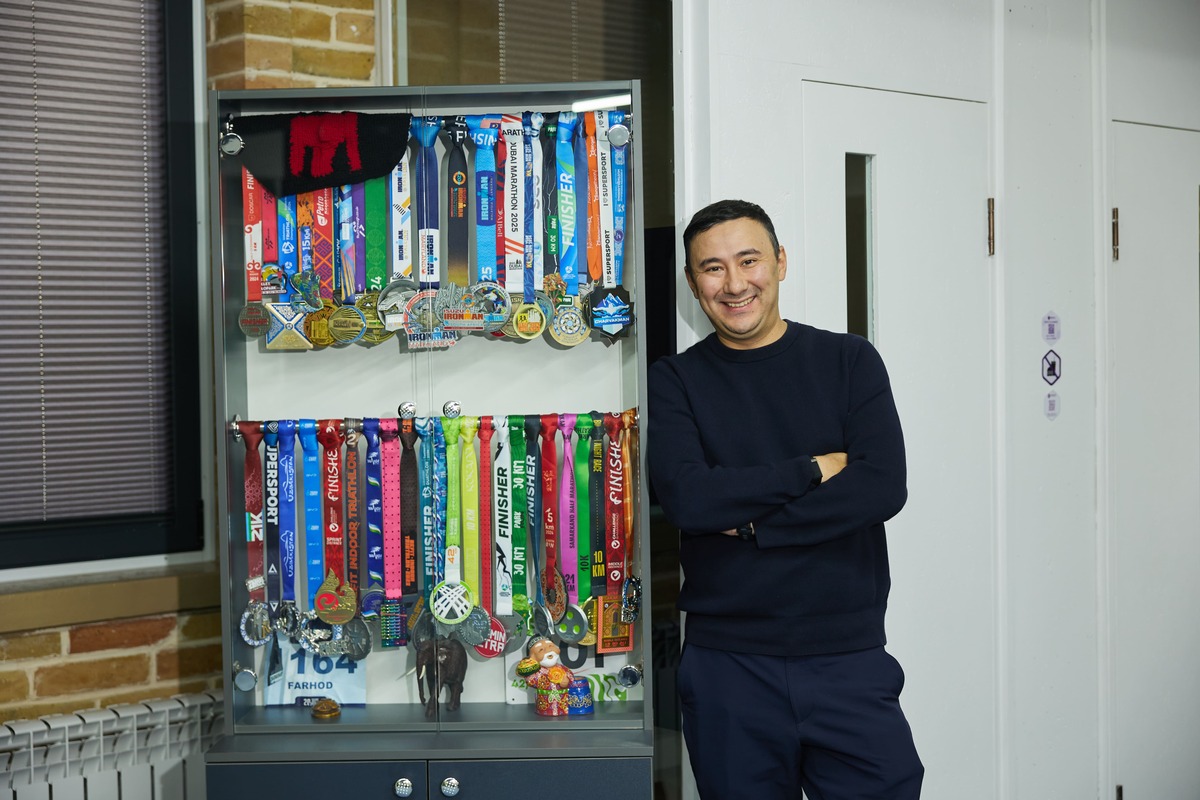
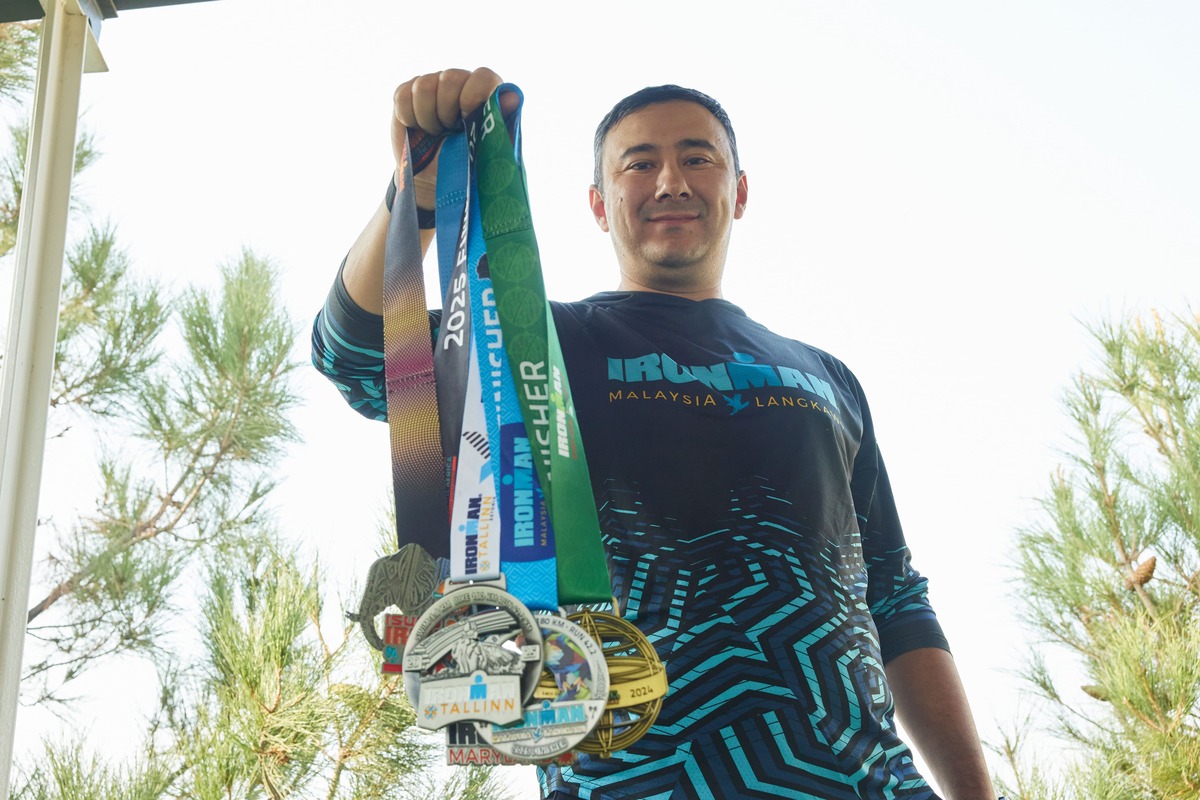
Farhod Furkatov is originally from Tashkent. In 2003, at the age of 17, he moved to the UK to pursue a degree in finance. In 2011, he relocated to San Francisco, where he adopted an active lifestyle and got involved in the startup world. His first project, a fitness challenge app, was acquired by a major Australian IT corporation. In 2021, Farhod decided to return to Uzbekistan. He began by consulting for various corporations, and in late 2023, he launched Deepen, a platform for automating operations in fitness studios. Farhod also has several personal athletic achievements. He is the only Uzbek citizen to complete five Ironman races in a single year.
As part of the joint project «100 Startup Stories of Central Asia» by Digital Business and Astana Hub, Farhod shared why he decided to return to Uzbekistan after 18 years abroad, how the idea for Deepen came to life, and what challenges the team faced in the early years. We also talked about how Deepen stands out from its competitors, how much revenue the startup is generating, and what sport and startups have in common.
«For a long time, it felt like IT just wasn't for me»
– Farhod, when did you first become interested in IT startups?
– I’ve been living abroad since 2003. I first moved to the UK, graduated from Leicester College, and then from the University of Sunderland, where I studied business administration and finance. I worked in my field, and in 2011, I moved to San Francisco.
For a long time, it felt like IT just wasn’t for me. I was always more of an ideas person, someone who launches projects rather than writes code. But over time, the ecosystem started to pull me in. You see startups growing, companies opening new offices, and constant technological change happening all around you. It becomes impossible to stay on the sidelines.
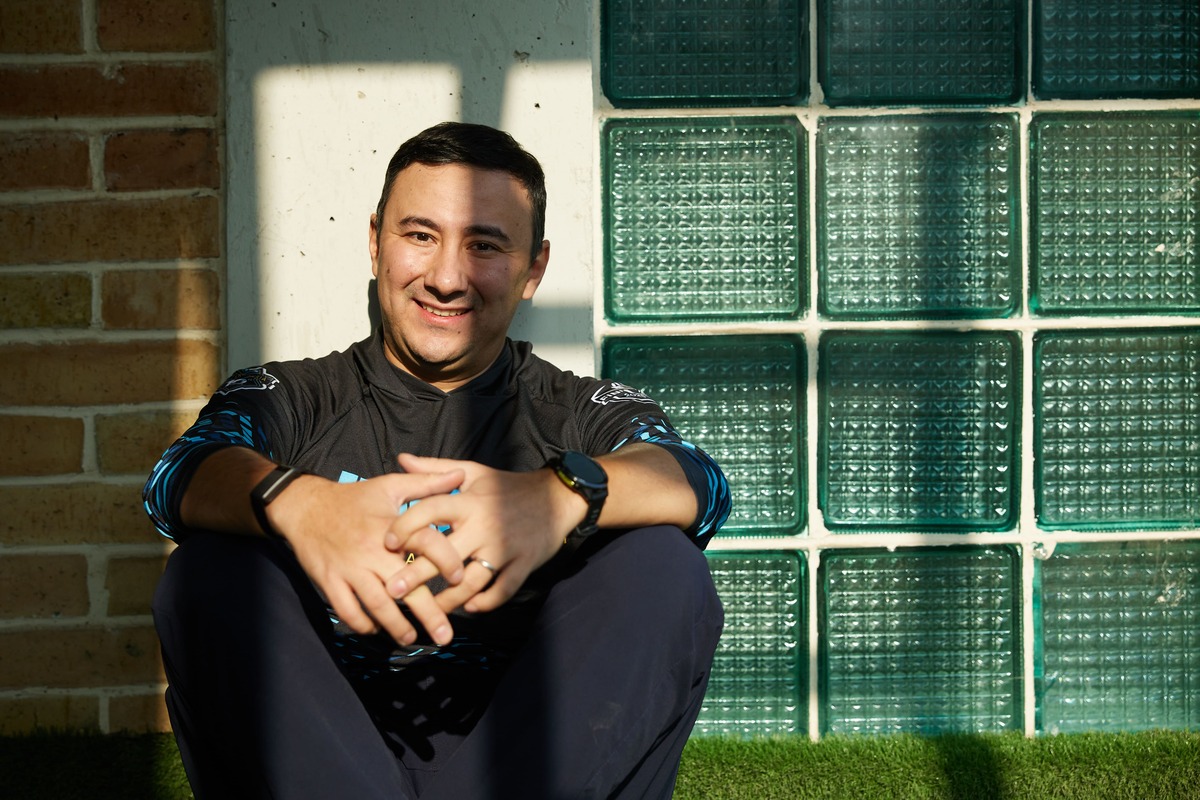
In 2016, I trained as a data scientist, moved to Austin, the capital of Texas, and started actively getting into sports. At the same time, my partner and I began launching startups focused on promoting a healthy lifestyle.
Our first project was an app for people who regularly walk or exercise in parks near their homes. Users could complete small challenges and earn rewards for doing so.
Later on, we started working with various companies. Through our app, employees could be more active, exercise regularly, and compete with one another. It helped strengthen team spirit. Eventually, we sold the project to the major Australian IT corporation Atlassian.
During the COVID-19 pandemic, we partnered with the Texas state government to create an app that ran community-wide challenges for several years. People would go on walks with their families, exercise at home or in parks, track their nutrition, and earn rewards for participating. It was a large-scale project, with up to 20,000 users taking part in each challenge.
– Why did you decide to return to Uzbekistan?
– In 2021, I came back to my home country to show it to my children, spend some time here, and see how much Uzbekistan had changed, especially in terms of IT development. By that point, I already had a solid background in the startup industry, but I had no idea how things were done in Uzbekistan. I had moved away so long ago that, mentally, I felt more like an American.
I took a job in the business development department of a large corporation and, within a few months, started to understand how people in Uzbekistan think, why they make certain decisions, and how to work with them effectively. After that, I began consulting for various companies and banks.
After that, I worked with the Kazakhstani startup 1Fit as a country manager, helping the team enter the Uzbek market. At first, no one believed in the project. People said no one would go to the gym using an app and that there was no digitalization in the fitness industry.
But I understood that everything happening in Europe and the USA would eventually reach Central Asia. In the end, it all worked out, and 1Fit’s financial results in Uzbekistan were among the strongest. After that, I was responsible for the company’s expansion into the UK market, so I moved back to London for a while. When that direction was closed, I had the option to move to Malaysia or Azerbaijan, but I decided to return to Tashkent.
«Until your first client pays, your startup is just an idea»
– How did the idea for Deepen come about?
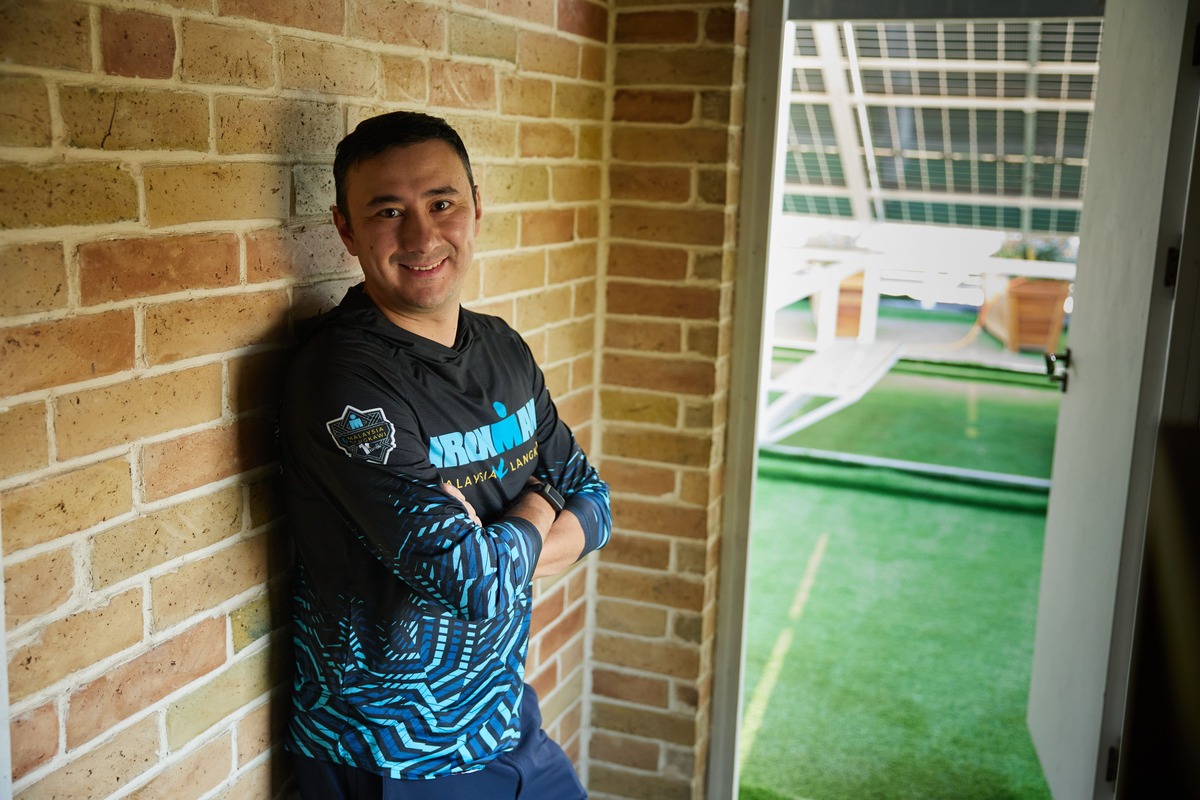
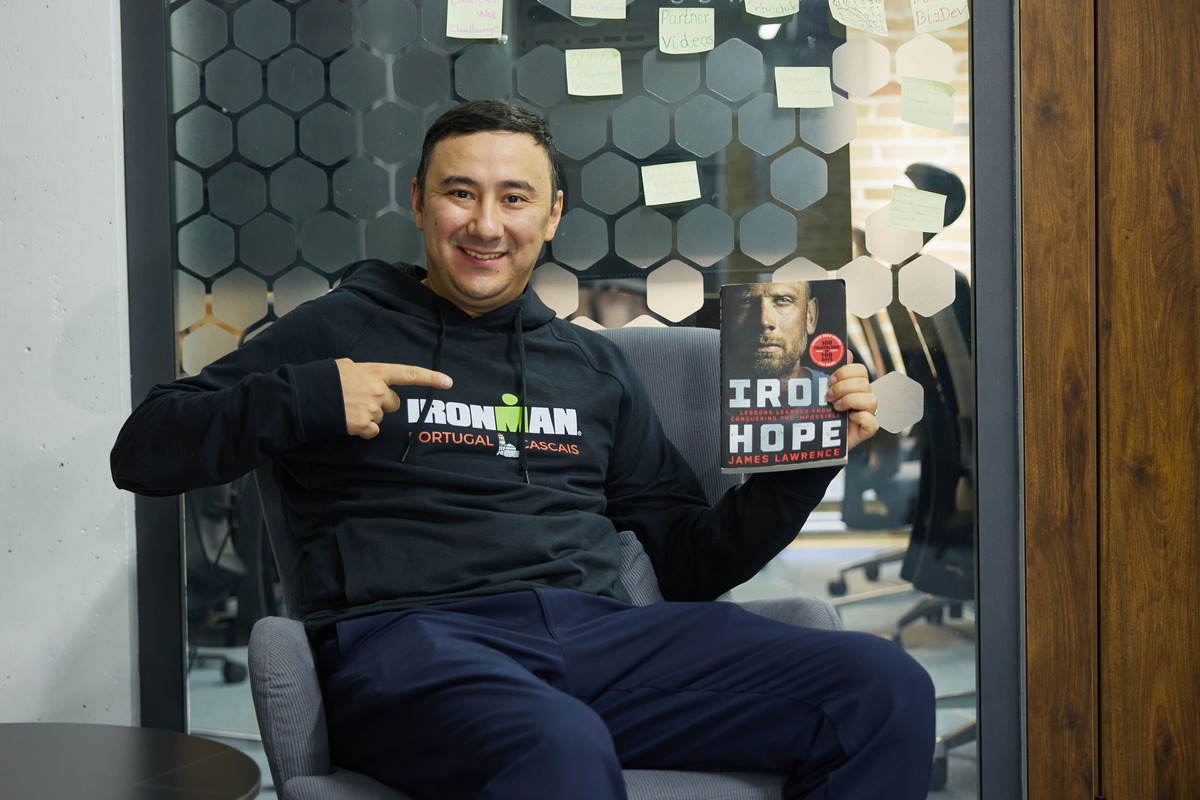
– In 2023, I got into running, and last year I started doing triathlons. Right now, I’m the only Uzbek who has completed five Ironman races in a single year.
I always wanted to create a product right here in Uzbekistan that would motivate people to stay active. Even looking at my own parents, I saw how many people constantly go to doctors and take medication, but don’t move enough or take care of their physical health.
In the UK, I visited over 500 gyms, and each one had a management system in place. In Uzbekistan, there was nothing like that anywhere. That’s when I came up with the idea to help fitness clubs automate their operations. I understood that the better these sports facilities function, the more people would attend them.
At the end of 2023, I returned to Tashkent and started building a team of developers and managers, people who believed in the startup and were ready to help bring it to life. Even though I had experience, I approached each new project as if I knew nothing about the market or the field I was entering. I understand that until your first client pays you, it’s just an idea.
– Where did you start?
– We started by studying the market and focused on solving two key problems. First, in Uzbekistan, most fitness clubs didn’t track their income properly and based their decisions only on the account balance — the more money left, the better. Many believed that earning $10,000 and spending $9,000 was worse than earning just $5,000 and spending only $3,000. So we began by providing clubs with analytics to show them how much they were actually earning.
Second, some gyms didn’t even have a proper client database. At best, they used an Excel sheet or a paper log to track visitors. We started showing them detailed insights, like who visits most often and at what times, which membership types are the most popular, and when it’s time to remind someone about their next payment.
– What does Deepen offer now?
– After introducing revenue analytics and attendance tracking, we began expanding the platform’s features based on requests from fitness clubs. For example, we developed the Deepen Web App, a mobile application where each club has its own personal page. We added check-in via QR code, and then integrated the system with turnstiles. FaceID automatically recognizes the visitor, checks if they have an active membership, and grants access. If there’s no membership, the system prompts the person to either speak with the front desk or pay for a session online through the platform.
We also added various notifications for gym clients, including feedback requests, birthday greetings, and more.

Deepen also provides data on gym occupancy, showing which days and hours have the highest number of visitors. This helps with planning promotions, offering discounts, or reallocating staff workload. We recently launched Deepen AI, an AI agent that predicts visitor behavior and calculates the likelihood of a client renewing their membership for the following month.
– Does Deepen have functionality for trainers?
– There are several types of access to the service: for the owner (with the most advanced features), for administrators, and for trainers. Instructors can view their clients in the app, manage their schedules, track how many sessions are left in a client’s membership, and process payments.
«We work with over 180 clubs in Uzbekistan and Kyrgyzstan»
– How do you monetize your platform?
– We use a subscription model with three pricing plans ranging from 500,000 to 1.5 million Uzbek soms per month (approximately 22,000 to 65,000 tenge). The difference lies in the features. For example, those on the Business+ plan can use Deepen AI, manage inventory, give access to bar product sales, and more. We also charge a one-time setup and configuration fee, which ranges from 2 million to 5 million soms (around 86,000 to 216,000 tenge).
At the same time, while fitness studios abroad usually operate with more or less the same set of features, in Uzbekistan, each club tends to want its own custom add-ons. We try to explain that it is better to simplify processes, since a standard system works effectively in any setting. That is why we offer unified subscription plans and avoid individual customizations.
– What other challenges have you faced?
– The main challenge was selling the product. About a year and a half to two years ago, we had to spend a lot of time explaining to small and mid-sized studios why they needed our solution, how it could simplify their operations, and how it could help increase their profits.
Now, competitors are starting to appear in Uzbekistan. On one hand, they might take some of the clients. On the other hand, they make the sales process much easier. Gym owners are becoming more familiar with management systems, so we no longer have to spend a lot of time explaining who we are and what value we bring.
– What makes Deepen different from its competitors?
– Most solutions on the market share about 70% of the same functionality. However, we offer our own mobile app, Deepen Web App, which clubs can start using right away. For an additional fee, they can also customize it with their own corporate branding and colors.
In addition, we focus heavily on support and training. We understand the market well and know that administrators and staff often find it difficult to quickly adapt to new IT products. That’s why we guide them through every step of the process.
Another advantage is that we’re close to our clients. If you buy foreign software, you usually have to schedule a call with the developer’s support team, explain the issue, and then wait. With us, our staff can visit the gym in person, if needed, to resolve any problems directly.
– How many clients does the startup currently have?
– Our first client came on board in the summer of 2024. They were paying around $18 a month, but for us, it was a real wow moment and gave us the motivation to keep going.
We’re currently working with over 180 clubs in Uzbekistan and Kyrgyzstan. These include gyms, yoga and pilates studios, swimming pools, judo and mixed martial arts centers, triathlon schools, and other types of sports facilities.
– Are you able to make money?
– Right now, our MRR is $12,000, and it’s growing by 10 to 15 percent each month.
«One of our main goals is to inspire people in Uzbekistan to live a more active lifestyle»
– What funding did you use to develop the product?
– Since the end of 2023, we’ve raised a total of $300,000 in investment. Late last year, we secured funding from the Uzbek angel investor network CS// Angels Club and our South Korean partners, based on a valuation of $750,000.
In April 2025, we raised $200,000 from the Aloqa Ventures fund. At that time, the startup was valued at $2 million. The funds are being used to develop the product, scale to other countries, and grow the team.
– How many people are currently working at Deepen?
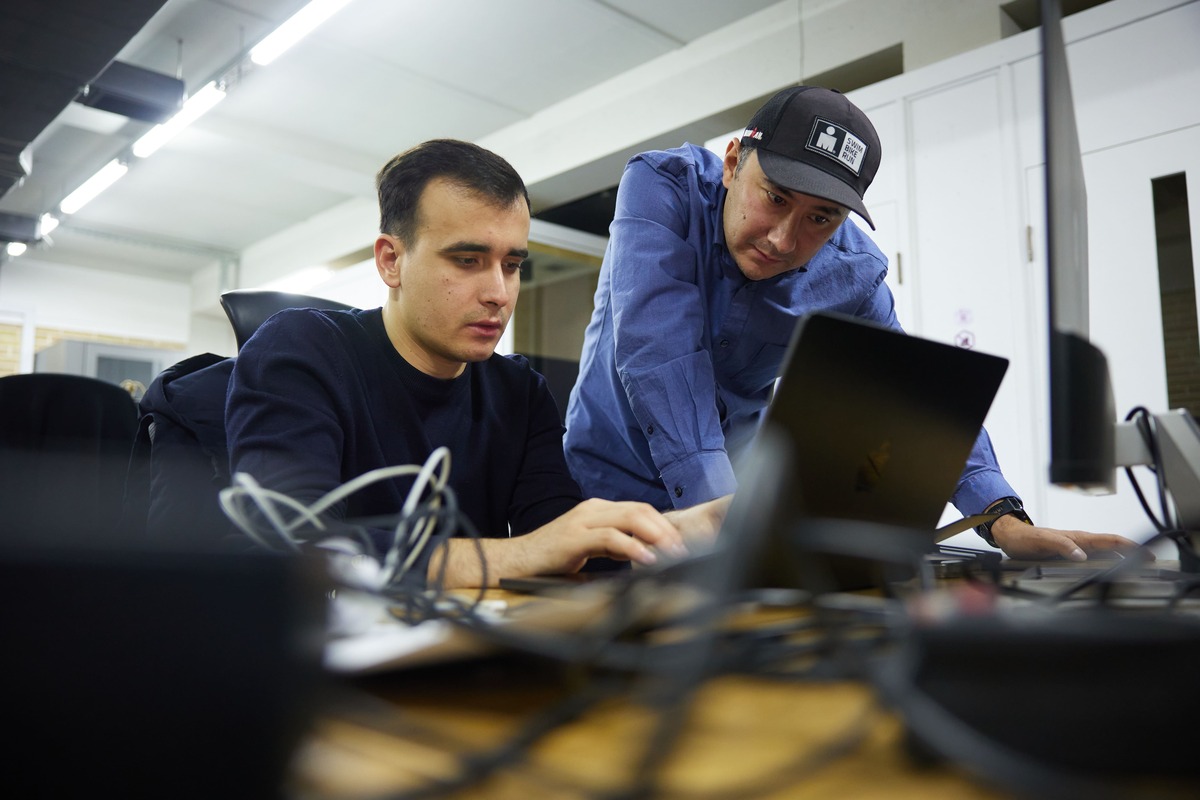
– The team includes around 25 specialists, including developers, sales managers, and the business development department. Most of the team is based in Tashkent, but many employees previously lived abroad in places like Europe, the US, Japan and others. It’s often difficult for them to work in traditional local organizations, while Deepen offers a work environment that feels more like a European company.
– You also have a product focused exclusively on the B2C segment. Tell us more about it.
– We recently launched a module within the app to run challenges and grow the running community in Uzbekistan. For two weeks, users run, track their results, win prizes, and most importantly, motivate each other. I’ve studied this topic a lot and realized that it's people who inspire people. When you see someone actively involved in athletics, you naturally become part of that movement.
Users pay $2.50 to access the service. We set a low price to test the concept while avoiding making the product completely free. People often don’t value something that comes at no cost.
Next year, we plan to launch this product in Malaysia. We're currently in the process of finalizing agreements with partners.
– How did you manage to enter this market?
– I ran my most recent Ironman in Malaysia. There, I had the chance to meet colleagues from the IT sector who are working on wellness projects. They were interested in our experience. They had been wanting to create their own product for a long time but lacked the time and resources.
They’re ready to handle marketing, promotion, and scaling, while we can step in with the product and expertise. Also, Malaysia is currently facing a serious obesity problem, and the government is actively investing in initiatives aimed at increasing physical activity among the population.
– Does your sports background help in building your business?
– Absolutely. When I share that I’ve completed an Ironman, people start to trust me. They see that I’m not just someone selling a fitness solution, but someone who truly lives this lifestyle.
People often ask me why I do such a demanding sport. But when you move non-stop for 15 to 16 hours, you build endurance and the ability to keep going no matter the pain, fear, or exhaustion. These are exactly the skills you need in the startup world.
In any startup, new challenges come up every day, and it’s the ability to keep going, make quick decisions, and push through difficulties that separates those who succeed from those who give up too soon.
When I returned to Tashkent after living in the USA, it was difficult to adjust. Sports helped me structure my days, reduce stress, and keep setting ambitious goals.
– What are your development plans for Deepen over the next year?
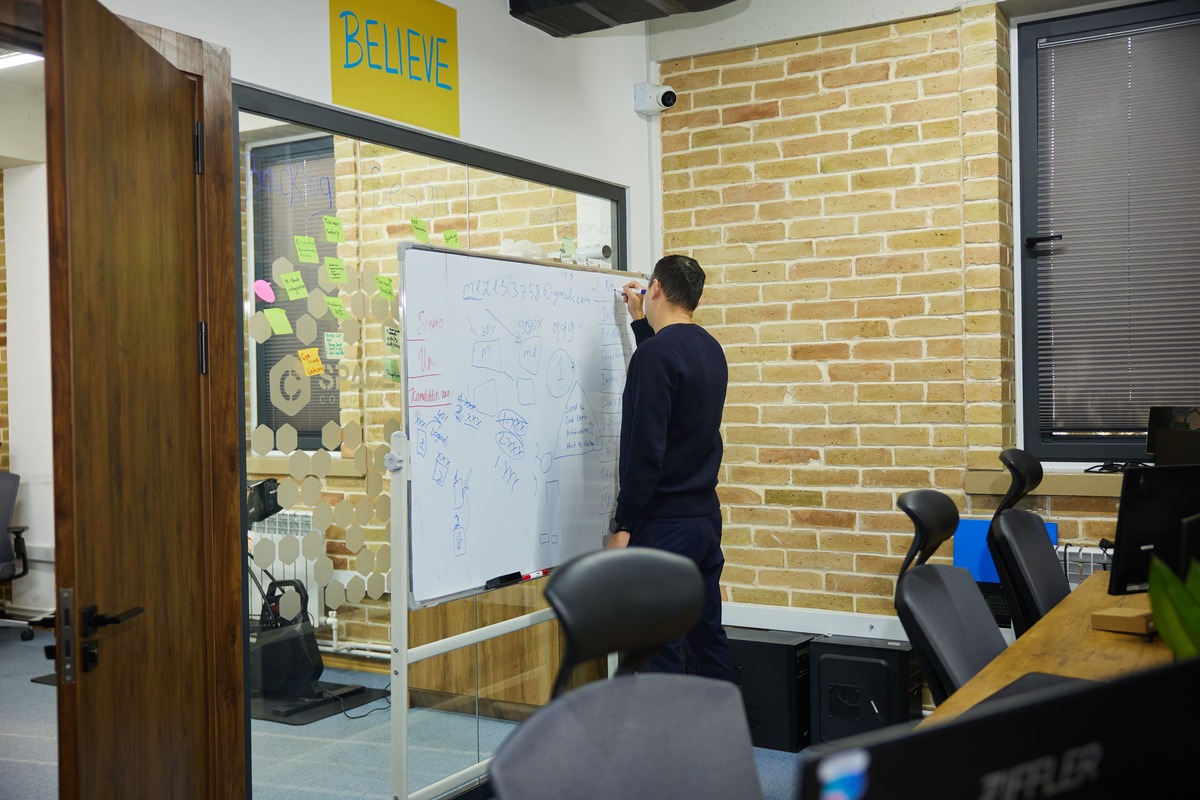
– We’re about to enter the markets of Tajikistan and Kazakhstan, and we already have agreements with several fitness clubs there. We’re also considering expanding to Azerbaijan, and early next year, we plan to launch in South Asia and the MENA region. To support this, we’ll be opening a funding round of $500,000 to $1 million.
As for the product, we plan to introduce an AI-powered chatbot for club owners. It will allow them to ask questions about revenue, attendance, or any other metrics, and the assistant will quickly find and provide the relevant information.
And of course, challenges are a big focus. One of my main goals is to motivate people in Uzbekistan to live a more active lifestyle. Right now, about two to three thousand people in the country sign up for marathons. If we build student communities and organize competitions between corporations, the number of runners in Uzbekistan will grow many times over. I’m confident that anything is possible.